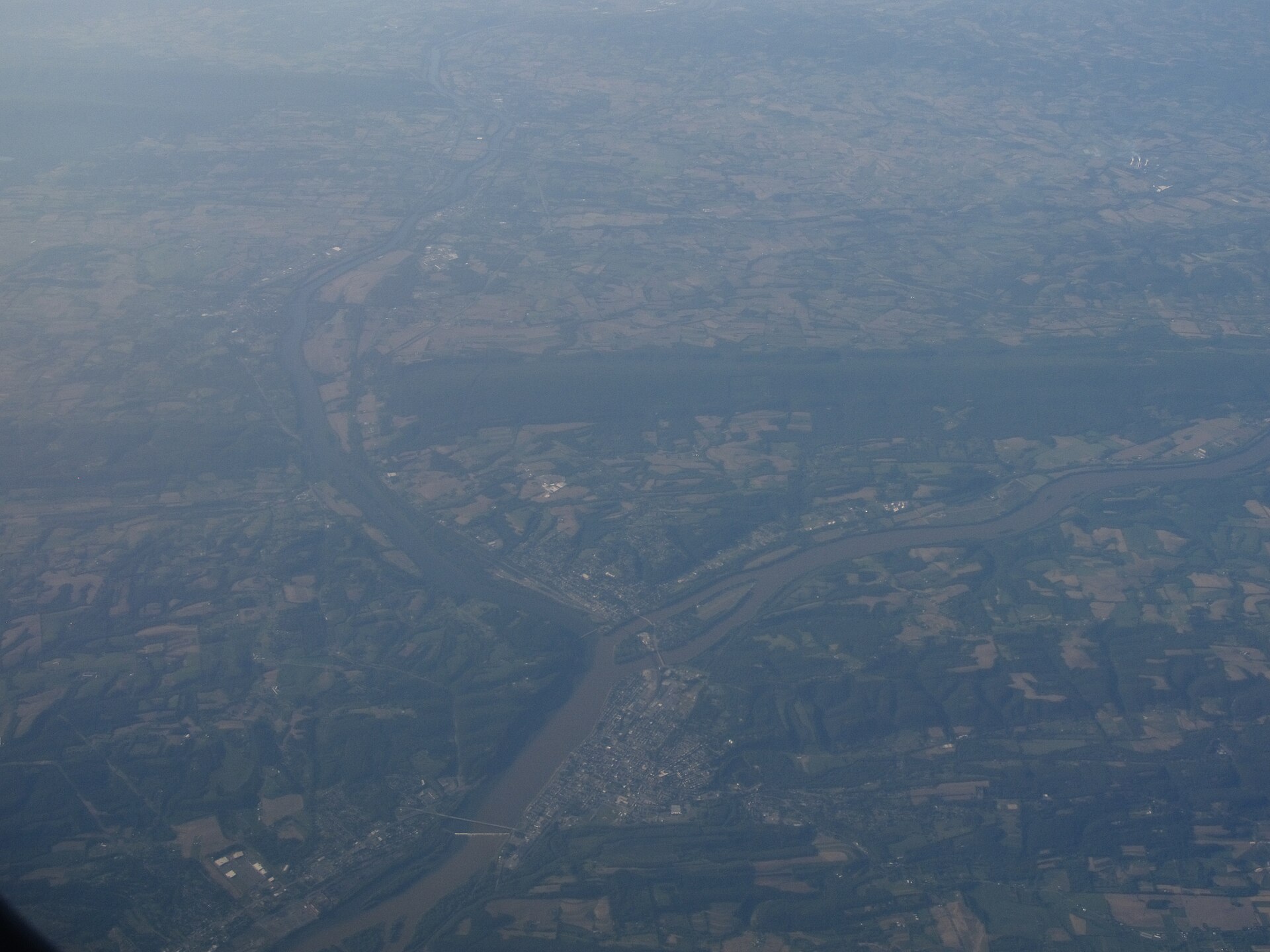
Why Visit Sunbury, Pennsylvania (a real hidden gem)
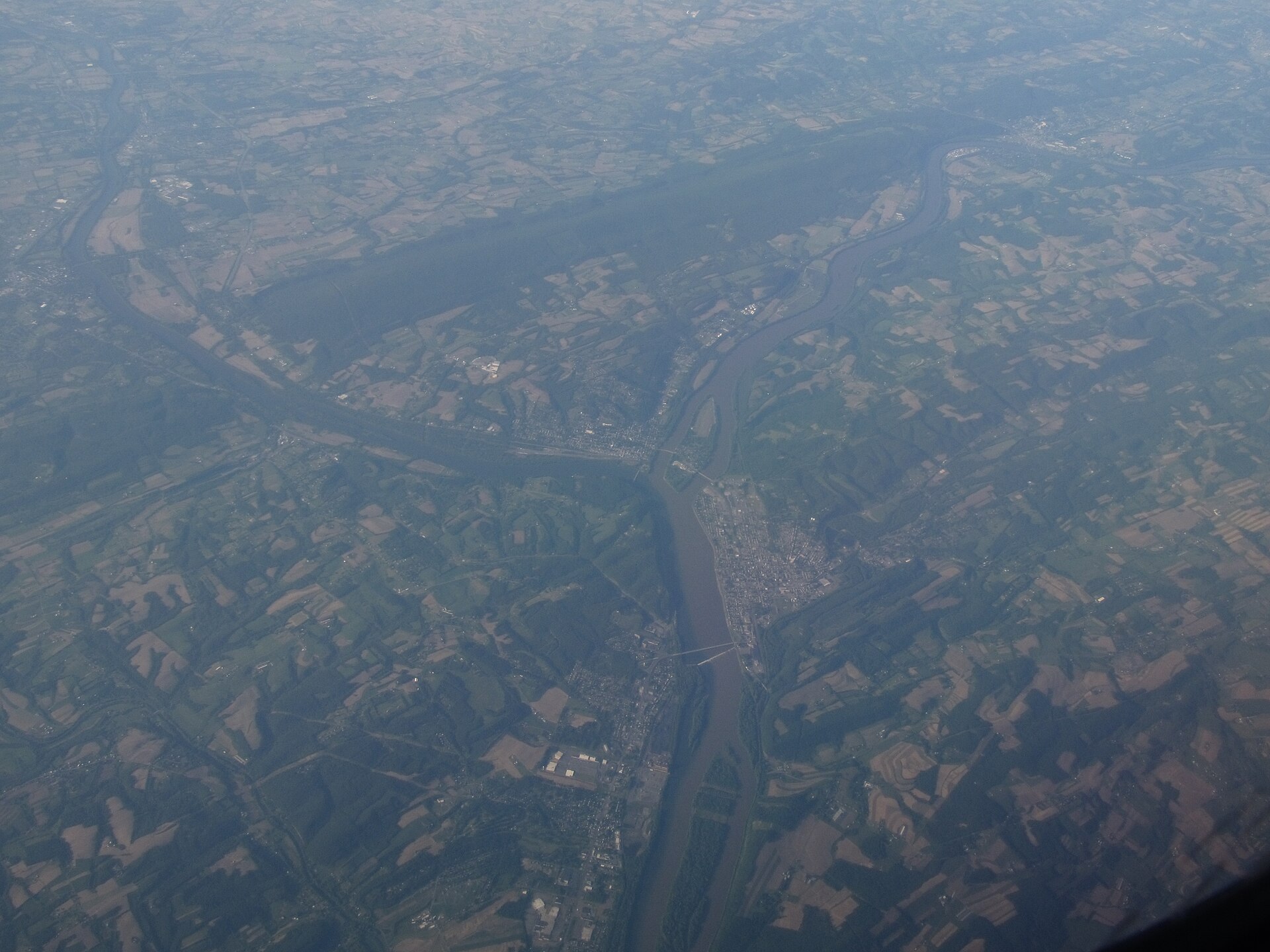
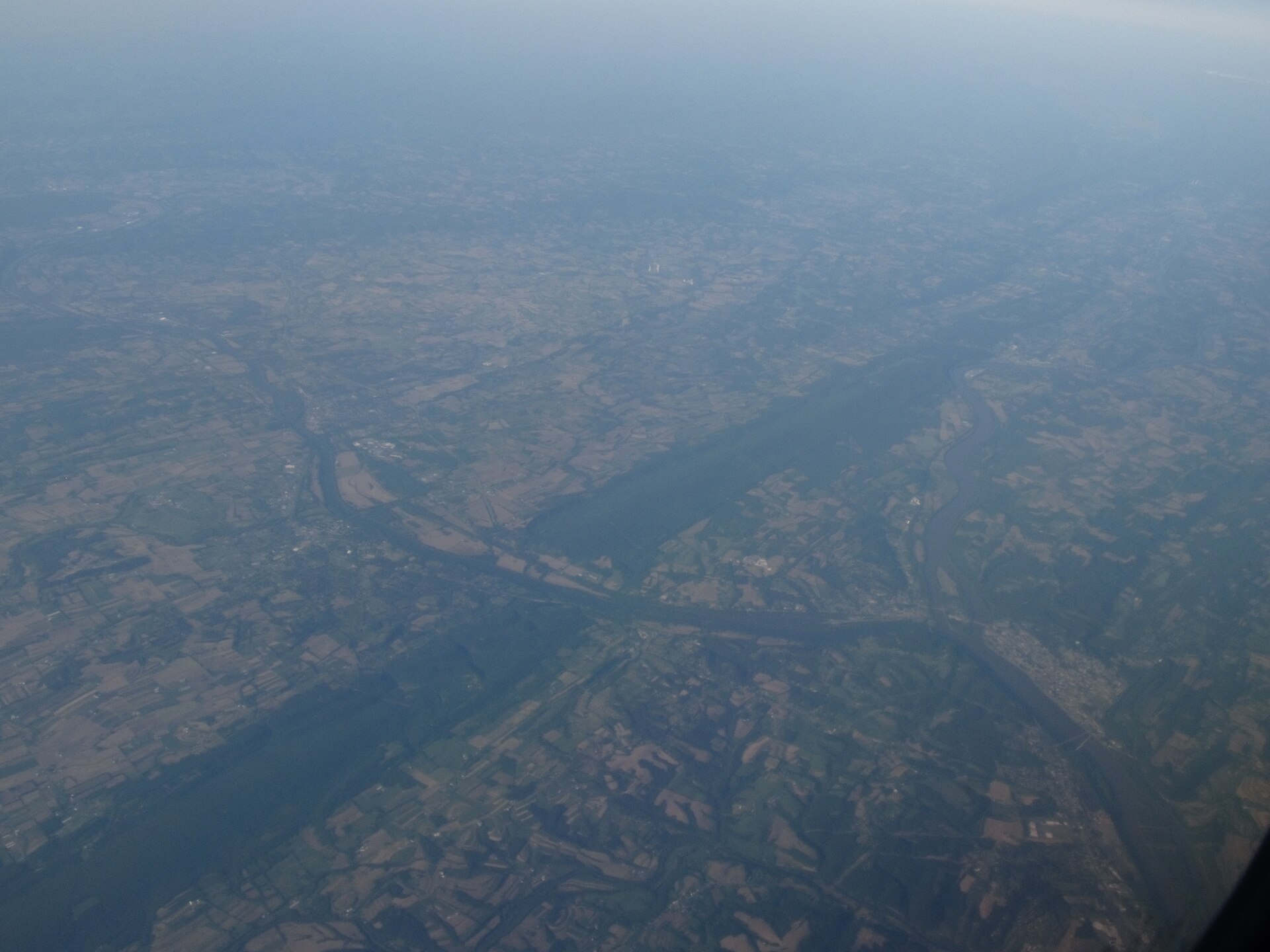
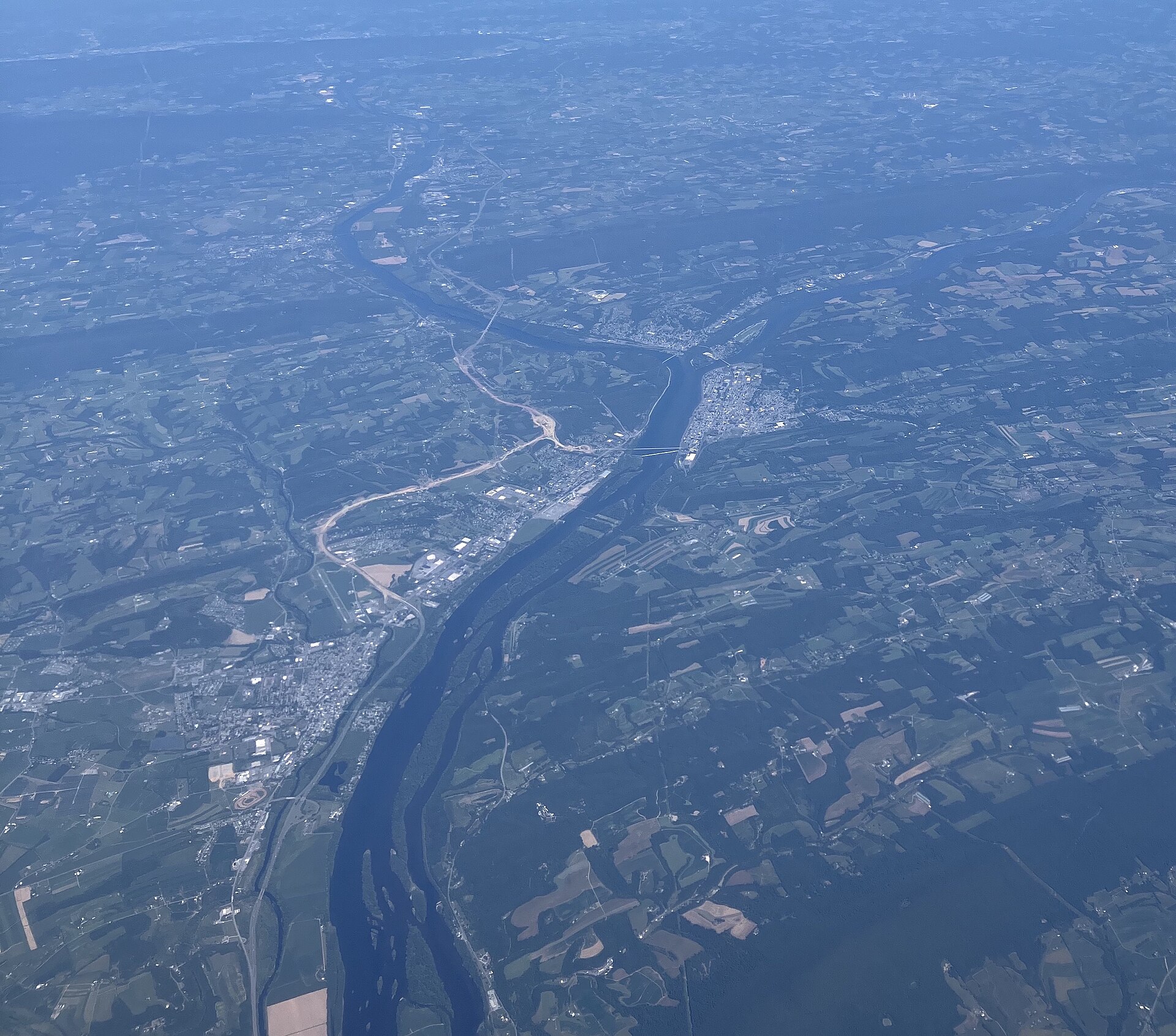
Most travelers race between Philadelphia, Harrisburg, and the Poconos and never notice the place where the West Branch Susquehanna meets the main stem. That fork is not scenery alone — it is strategy. For centuries it was a trading capital, a fort site, a county seat, a canal and rail node, and briefly one of the brightest laboratories of American electrification.
Today Sunbury still feels human-scaled: river walks, a National Register historic district, Fort Augusta’s footprint, Cameron Park’s Civil War memory, antique dens like Sunbury Station, and easy access to Northumberland and Shikellamy State Park. If you want history you can walk, not merely read, this is your weekend.
Quick facts for travelers
- Where
- Northumberland Co.
- Founded
- 1772 (laid out)
- Role
- County seat
- River
- Susquehanna
- Pop. (2020)
- ~9,700
- Signature
- Edison light, 1883
Sunbury history from the first known story to now
What follows is a traveler’s deep cut — not a footnote. If you only remember three names before you arrive, make them Shamokin, Fort Augusta, and Edison.
-
Deep time → early 1700s
The confluence attracted Indigenous settlement long before English maps. Shawnee migrants and, after the Walking Purchase, Delaware (Lenape) peoples forcibly relocated onto Susquehanna lands that included the site of present-day Sunbury. Iroquois (Haudenosaunee) diplomacy — including the Cayuga overseer Shikellamy — shaped the multi-ethnic trading world that followed.
-
c. 1718–1756 · Shamokin
Known as Shamokin (Saponi/Lenape roots often glossed “place of crawfish”), the village became one of the most influential Native settlements in Pennsylvania — a regional capital at the fork. Missionaries such as David Brainerd described hundreds of residents on both banks and an island by the mid-1740s. It is not the later coal town of Shamokin thirteen miles east.
-
1755–1756 · War and abandonment
After the Gnadenhütten massacre and the French and Indian War’s widening violence, Delaware residents left Shamokin (May 1756). Colonial Pennsylvania answered by building Fort Augusta on the abandoned village site — the largest provincial fort in the colony — named for Augusta of Saxe-Gotha, mother of George III.
-
1756–1780s · Fort Augusta
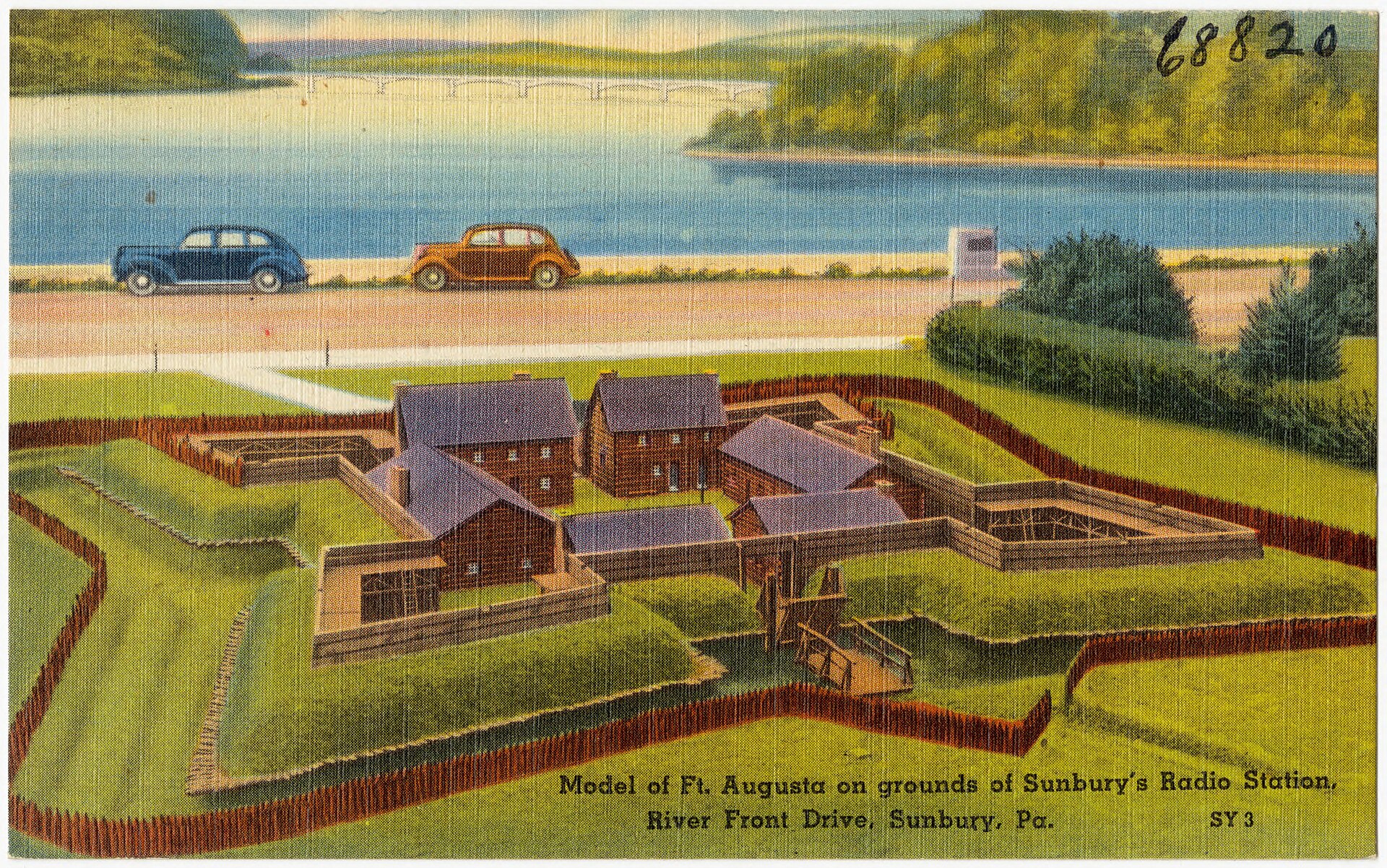
Fort Augusta blocked war parties descending the Susquehanna, sheltered civilians, and staged expeditions. A French-and-Indian effort once dragged brass cannon toward the fort and abandoned the attack after finding the range impossible. In the Revolution the post protected settlers against Britain’s Indigenous allies; courts and even a powder-magazine jail later used the site. The Northumberland County Historical Society still interprets Fort Augusta and the Hunter House today.
-
1772 · County seat named Sunbury
Northumberland County was formed March 21, 1772; Sunbury was laid out the same year by Surveyor-General John Lukens and William Maclay, named for Sunbury-on-Thames in England. Borough incorporation followed in 1797; city status came in 1920. Early courts met at the fort.
-
1778 · Big Runaway
Frontier panic during the Revolutionary War emptied settlements up the West Branch; refugees poured through the Susquehanna corridor. Sunbury’s fort world was part of that survival geography.
-
1800s · Courthouse, canal, rail, immigration
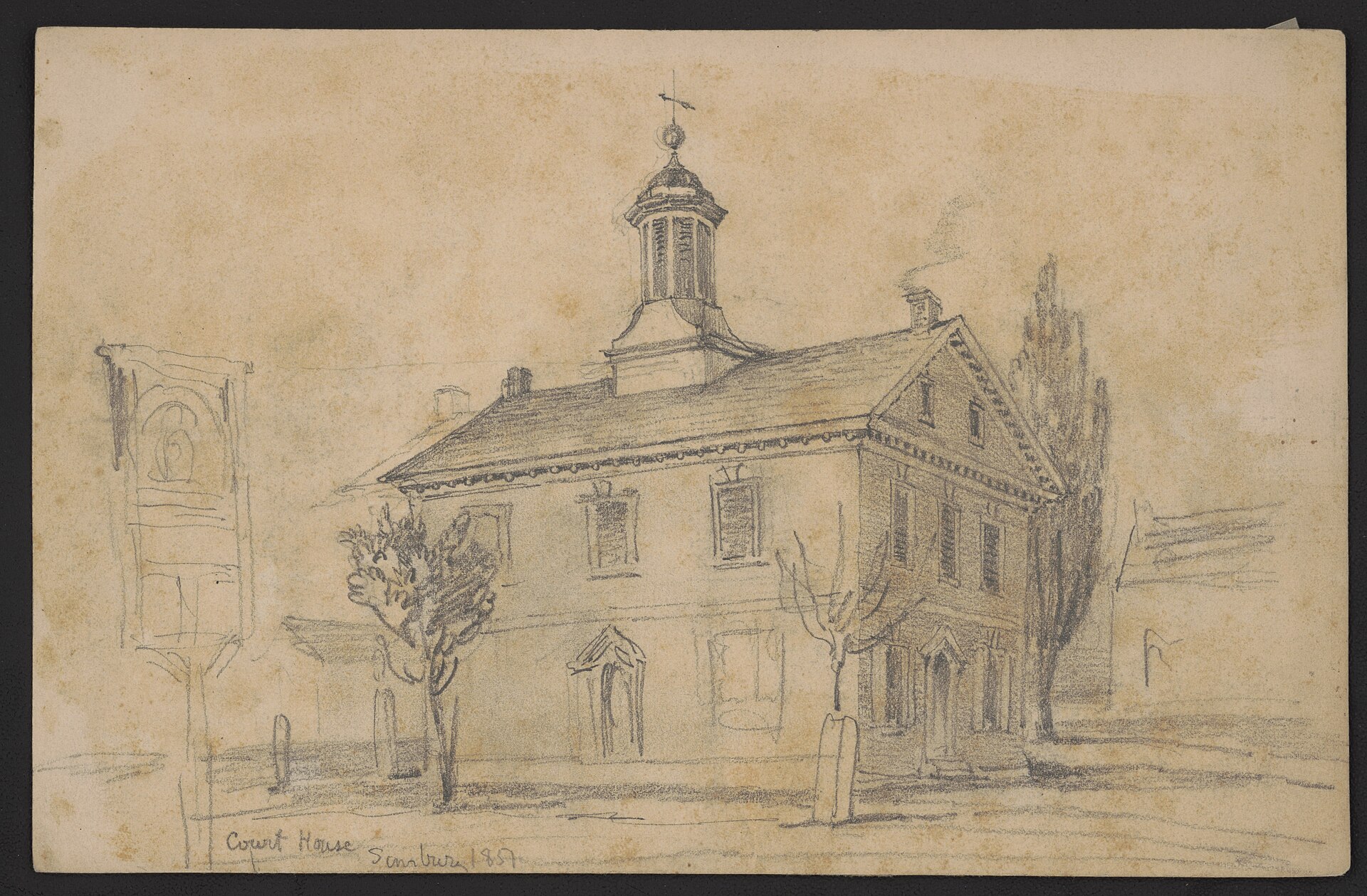
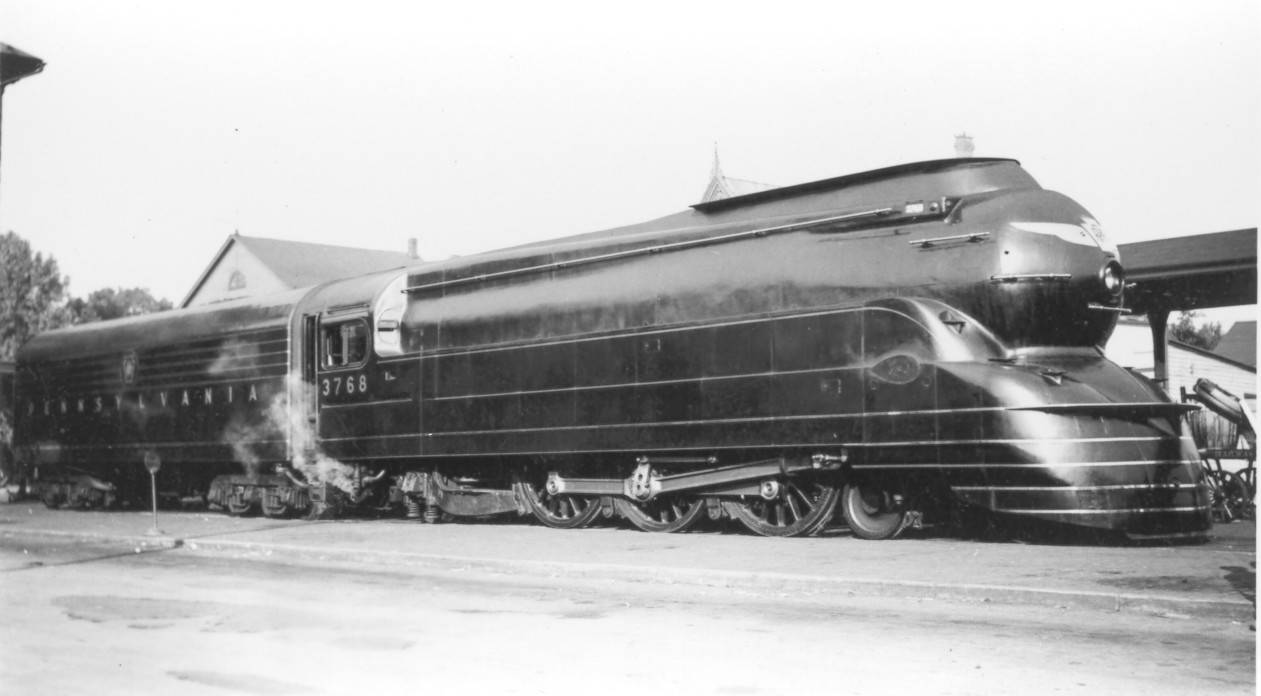
German, Scots-Irish, and other settlers thickened the valley. The Northumberland County Courthouse (1865, NRHP) and downtown fabric still narrate civic ambition. Canal and railroad eras turned the confluence into an industrial and commercial hinge; Pennsylvania Railroad power still shows in period photography.
-
July 4, 1883 · Edison’s three-wire light
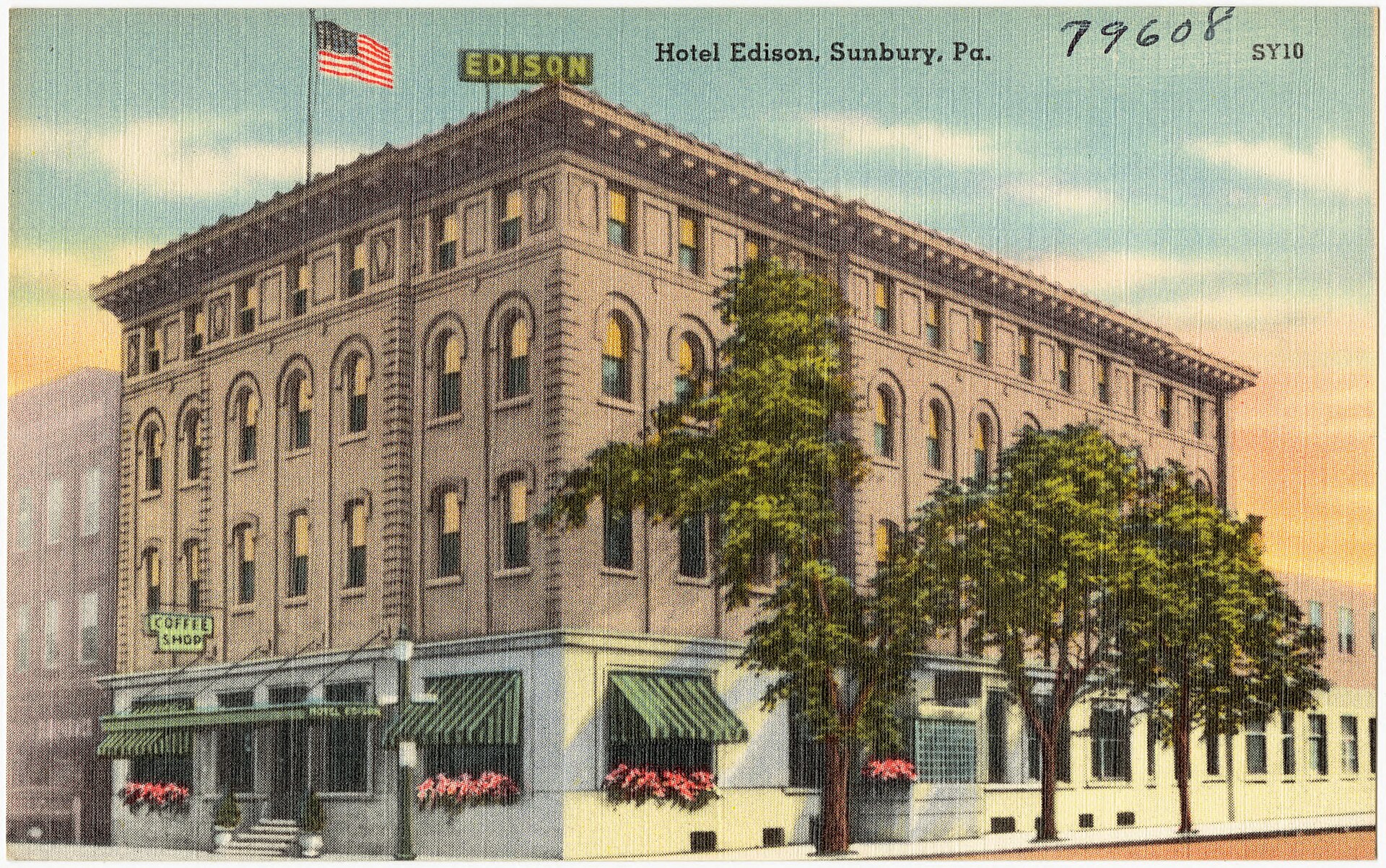
At the City Hotel (later Hotel Edison), Thomas Edison’s system commercially illuminated a building with his three-wire overhead distribution — a world first of its kind. A young onlooker threw the switch; a brass band played; Sunbury’s nights jumped ahead of their reputation. The Edison Electric Illuminating Co. of Sunbury later entered the lineage of today’s regional utility history. PHMC markers still tell the story downtown.
-
20th–21st centuries
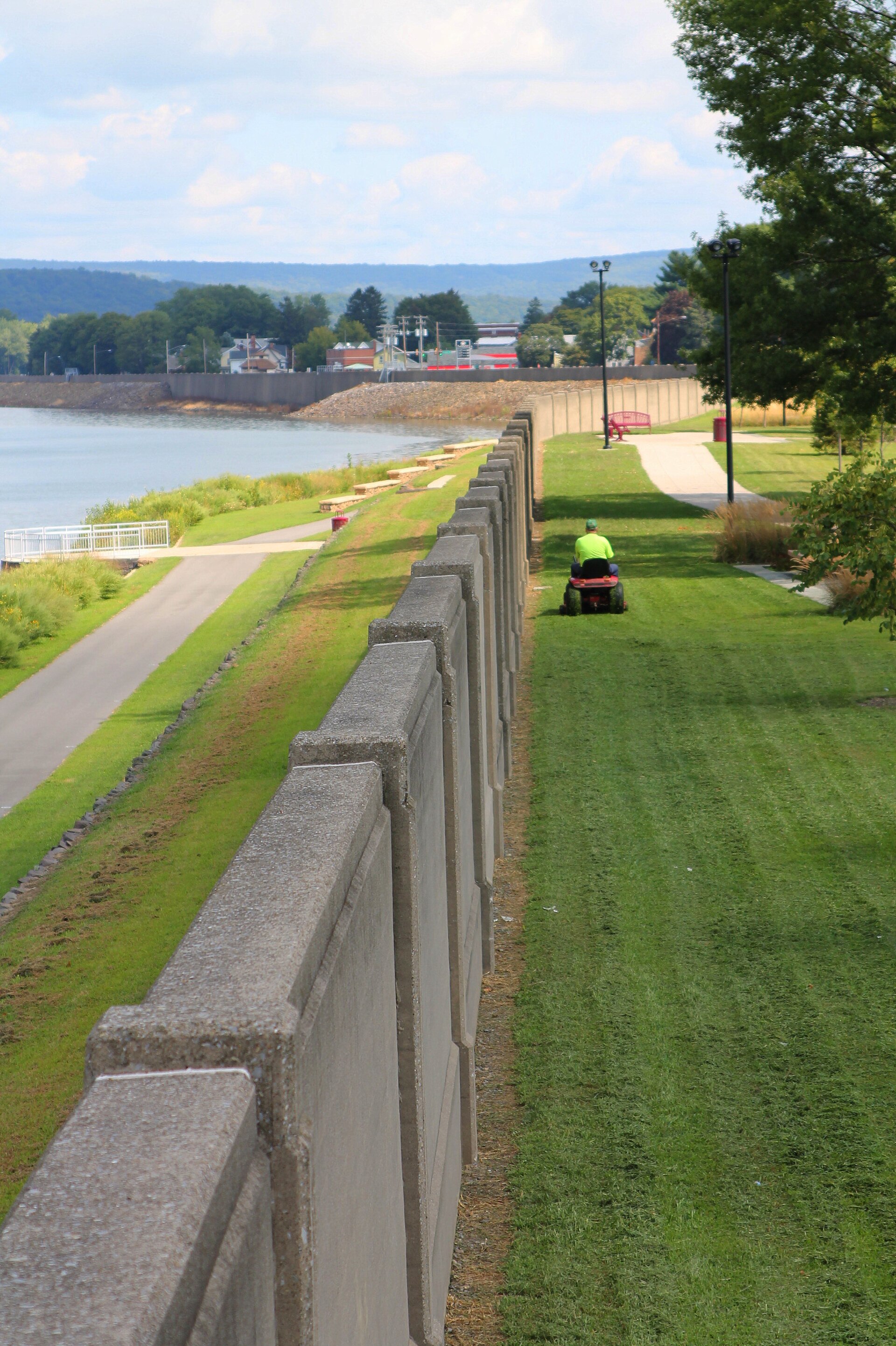
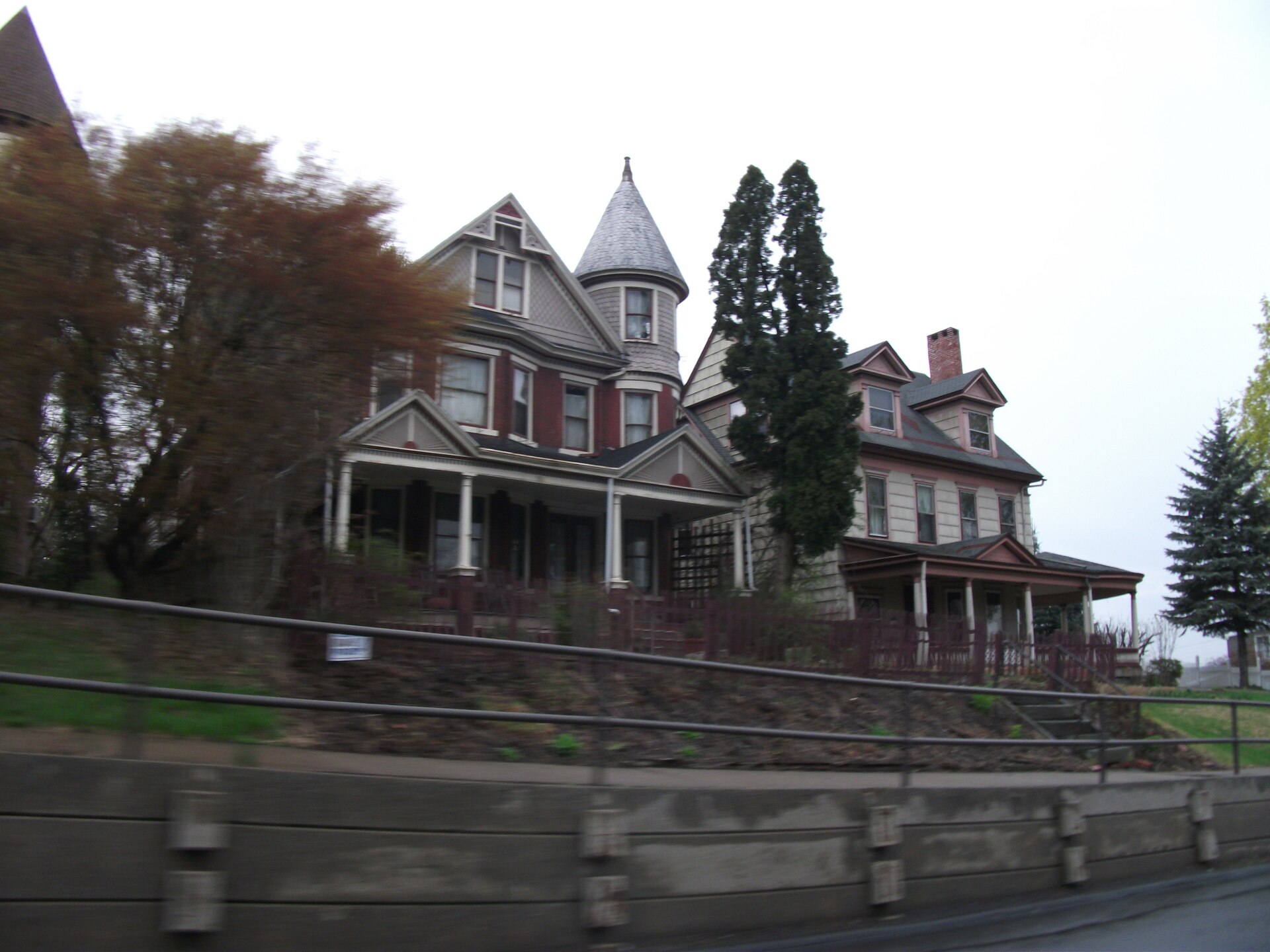
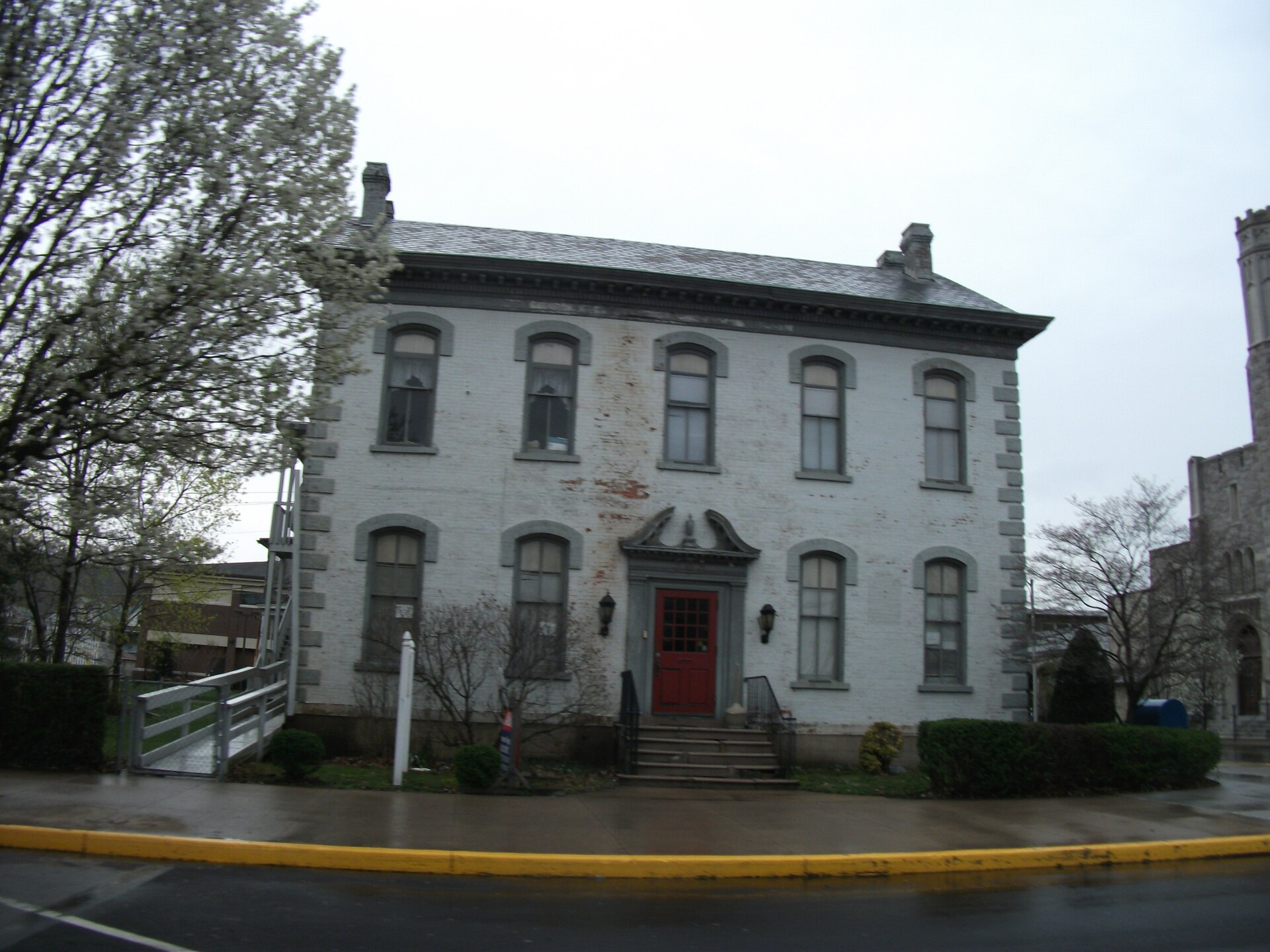
Floodwalls, silk and apparel mills, newspapers, the Sunbury Historic District (NRHP), Beck House (1785), and a quieter post-industrial present. Population sits near 9,700 (2020). The hidden-gem era is now: heritage tourism, river recreation, antiques, and proximity to Priestley’s Northumberland and Shikellamy’s overlook.
Sunbury photo gallery — as many angles as we could gather
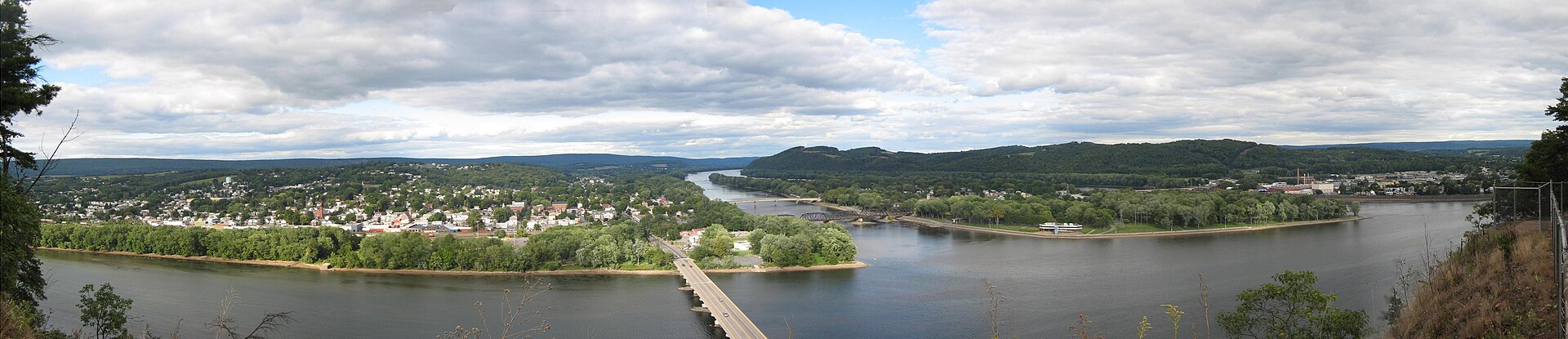
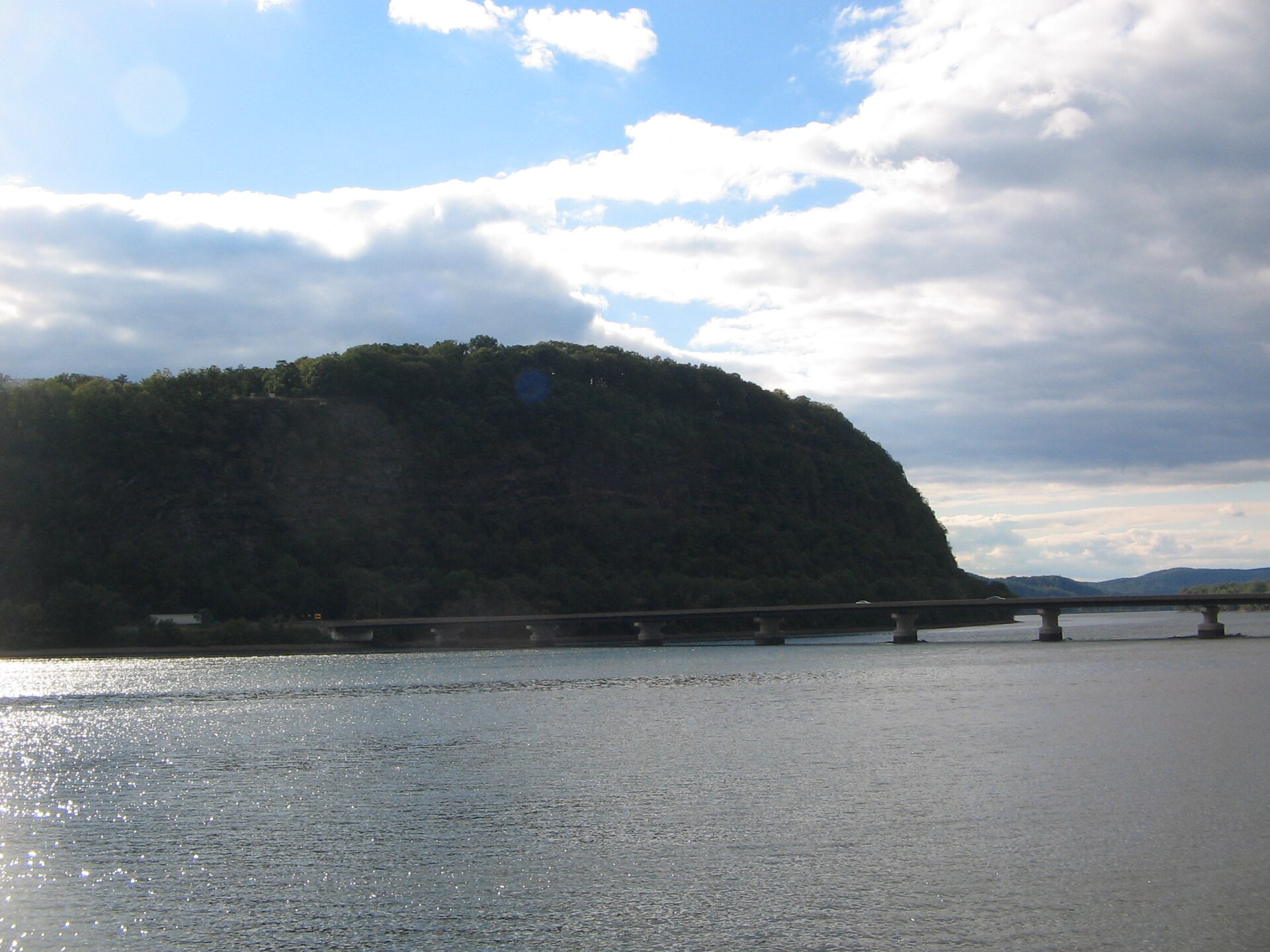
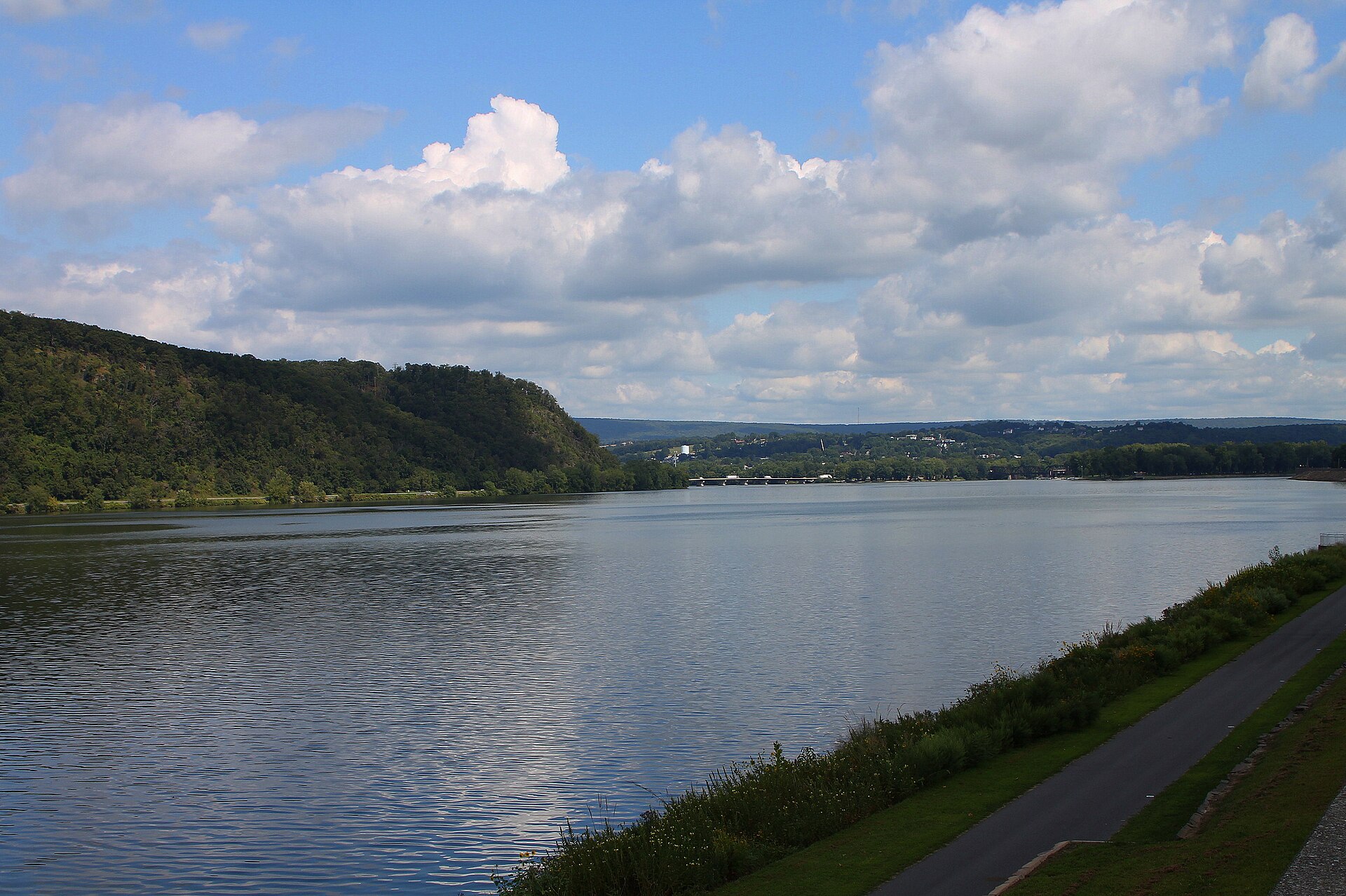
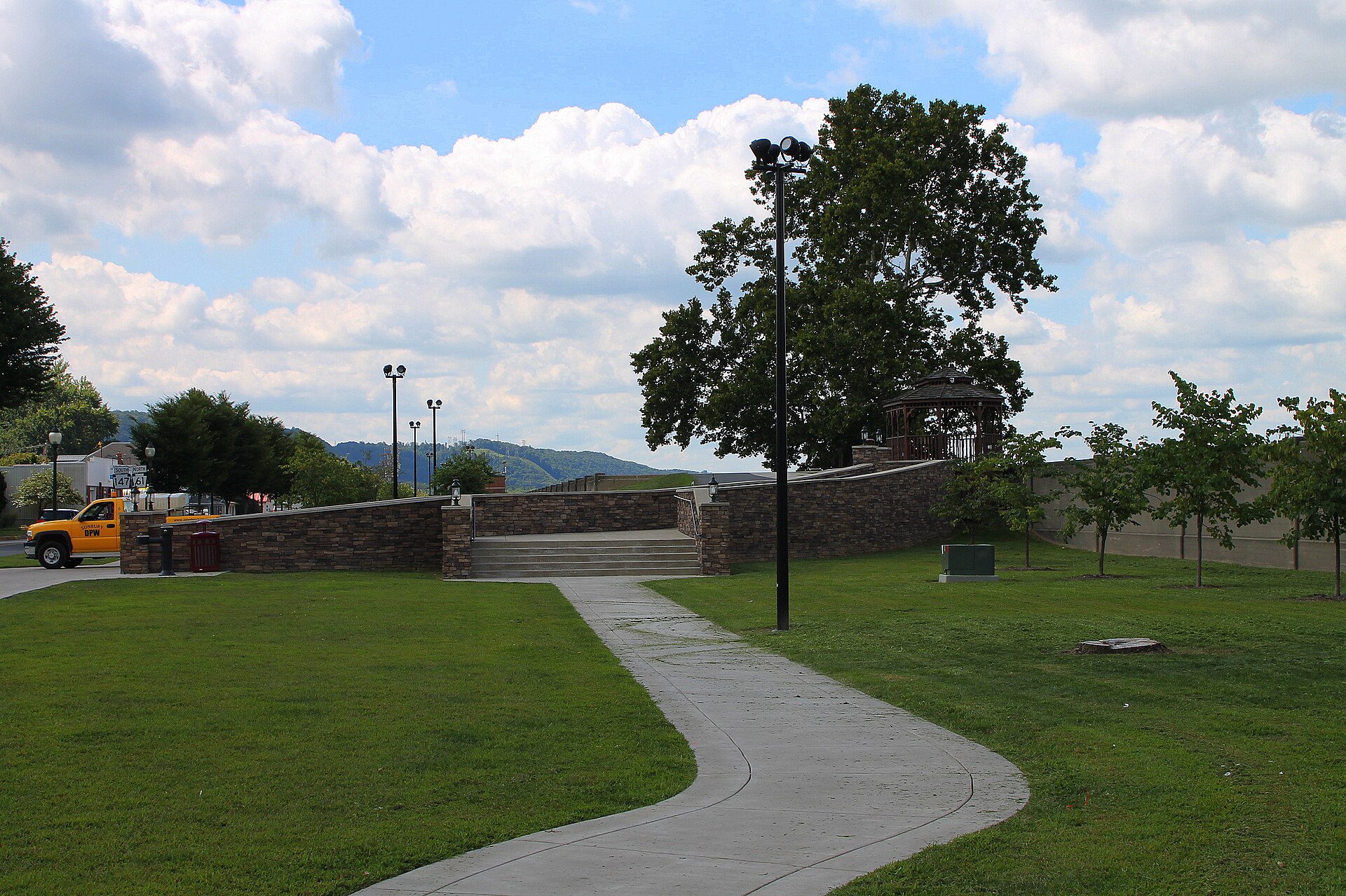
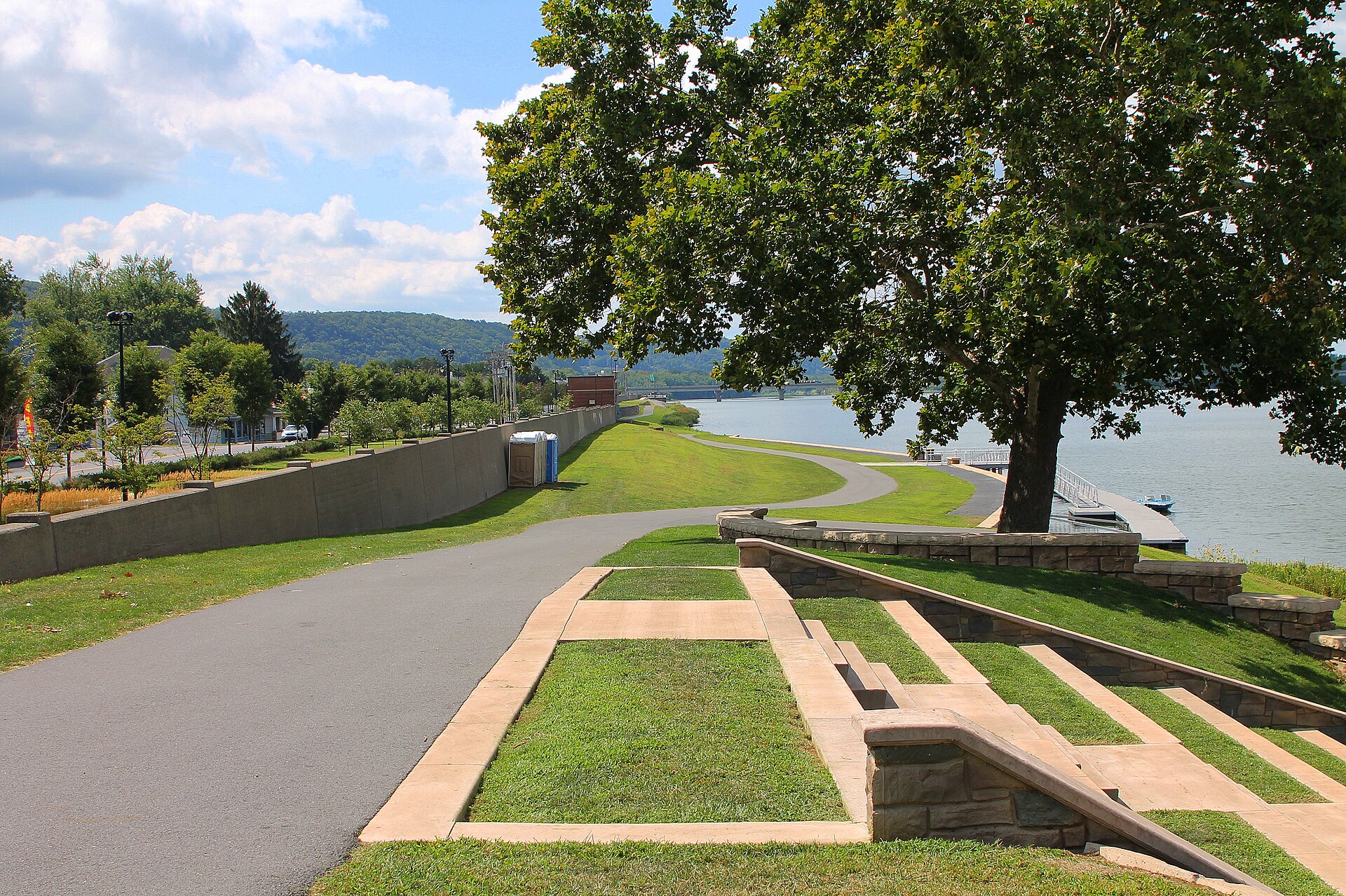
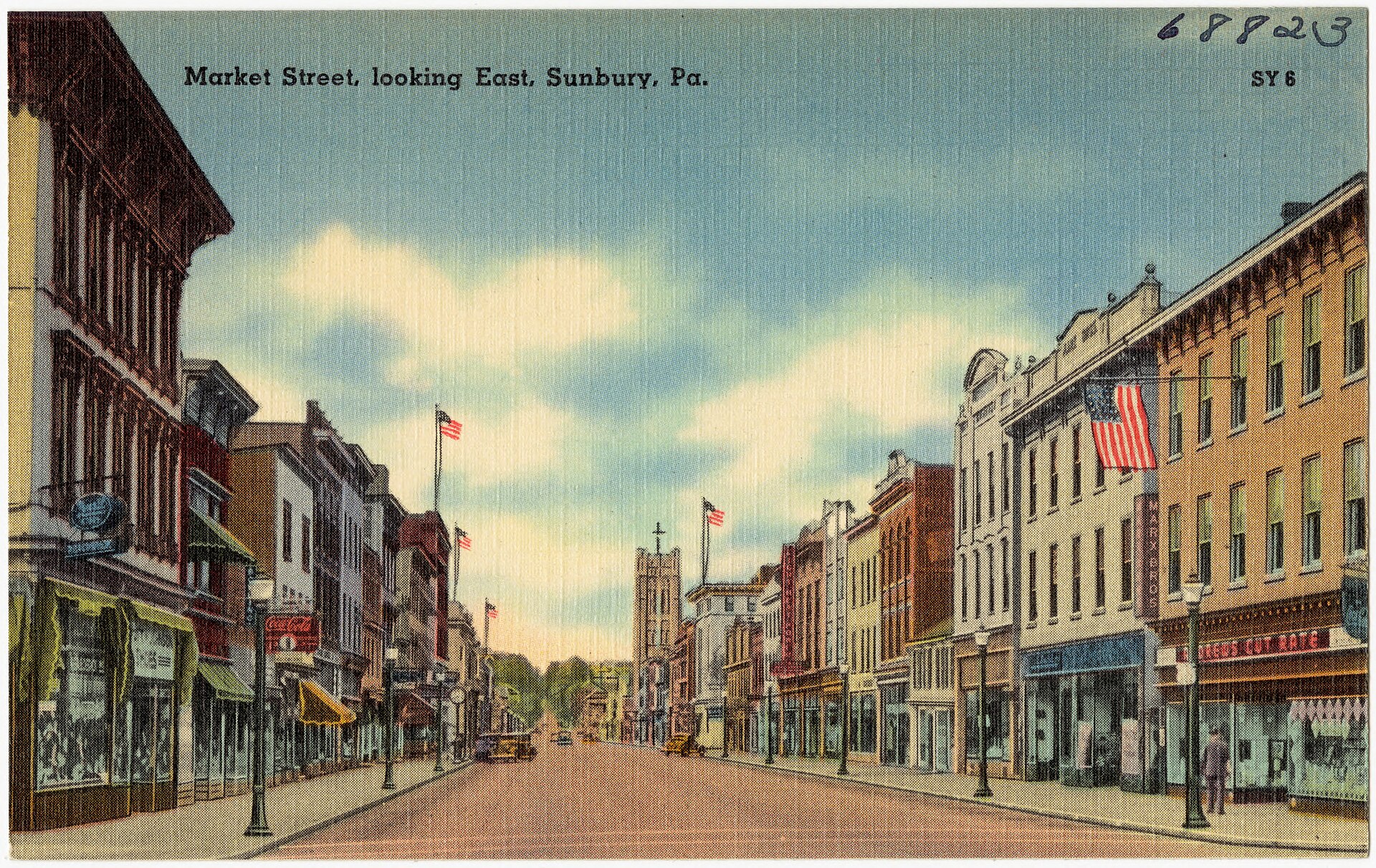
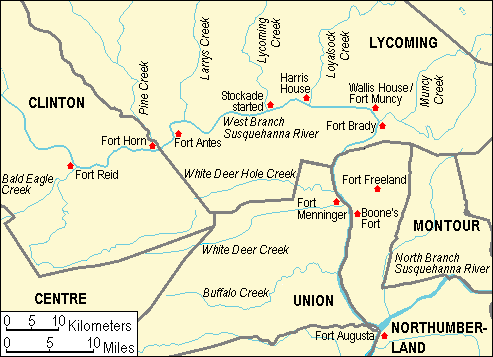
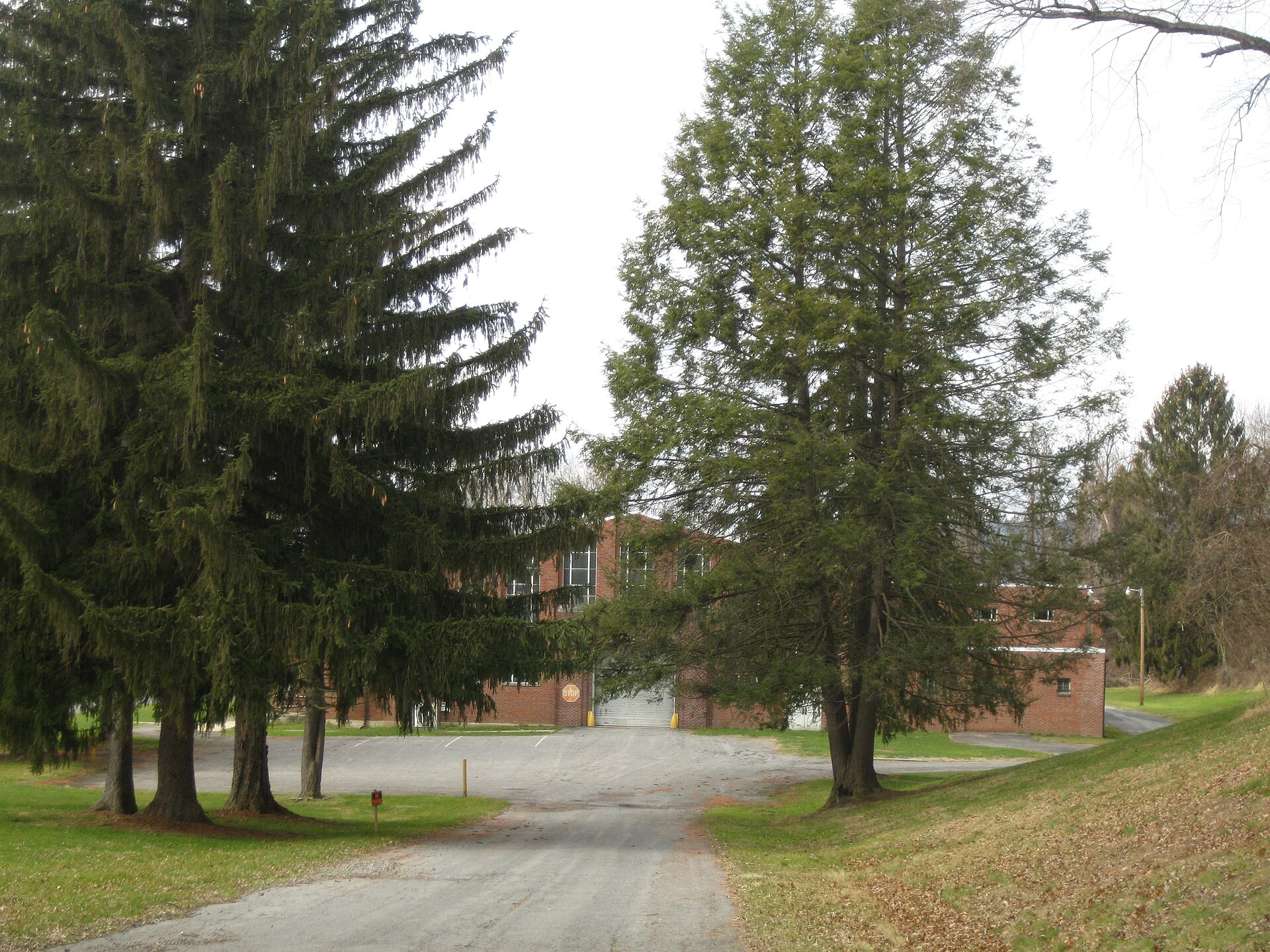
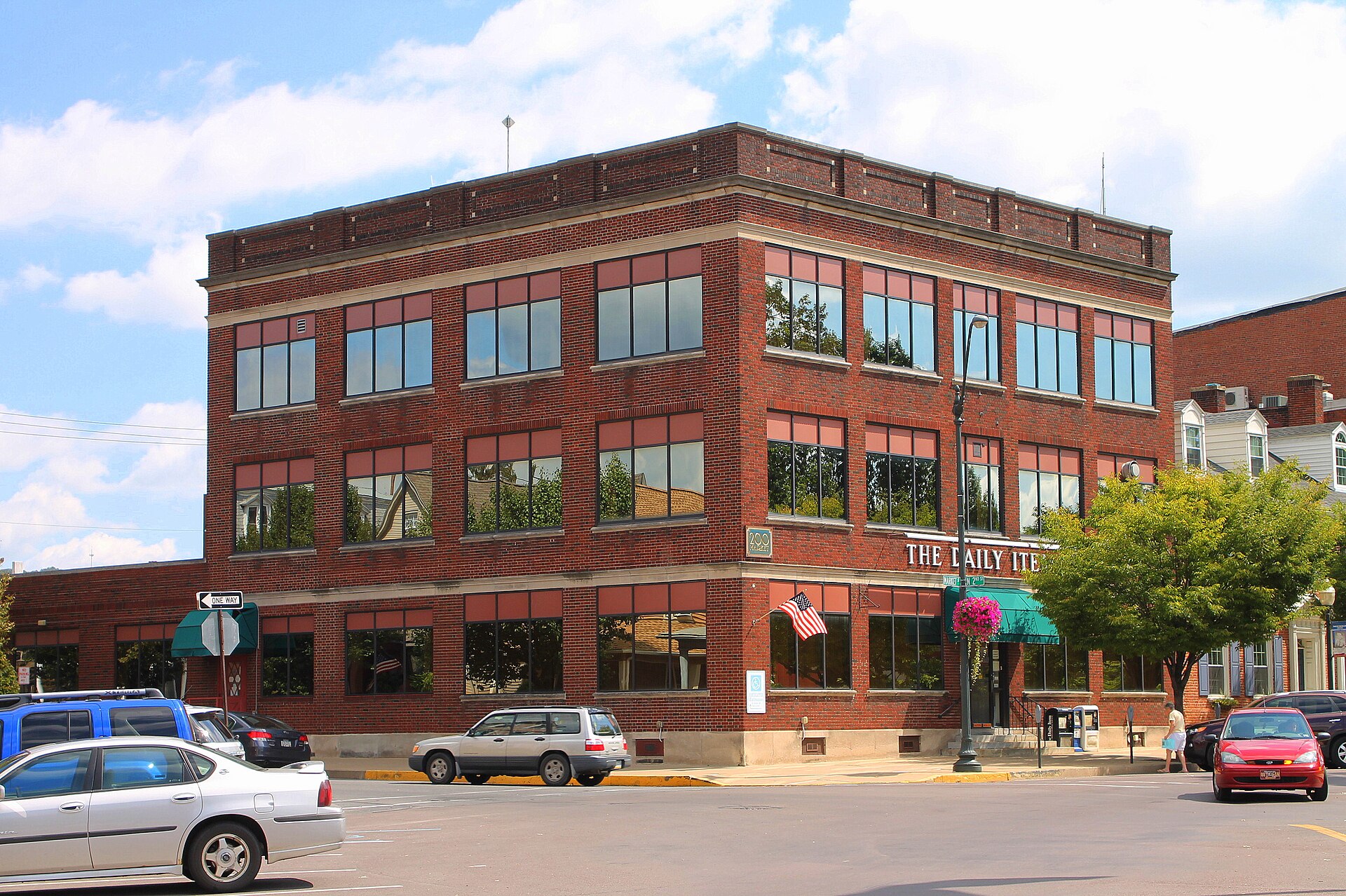
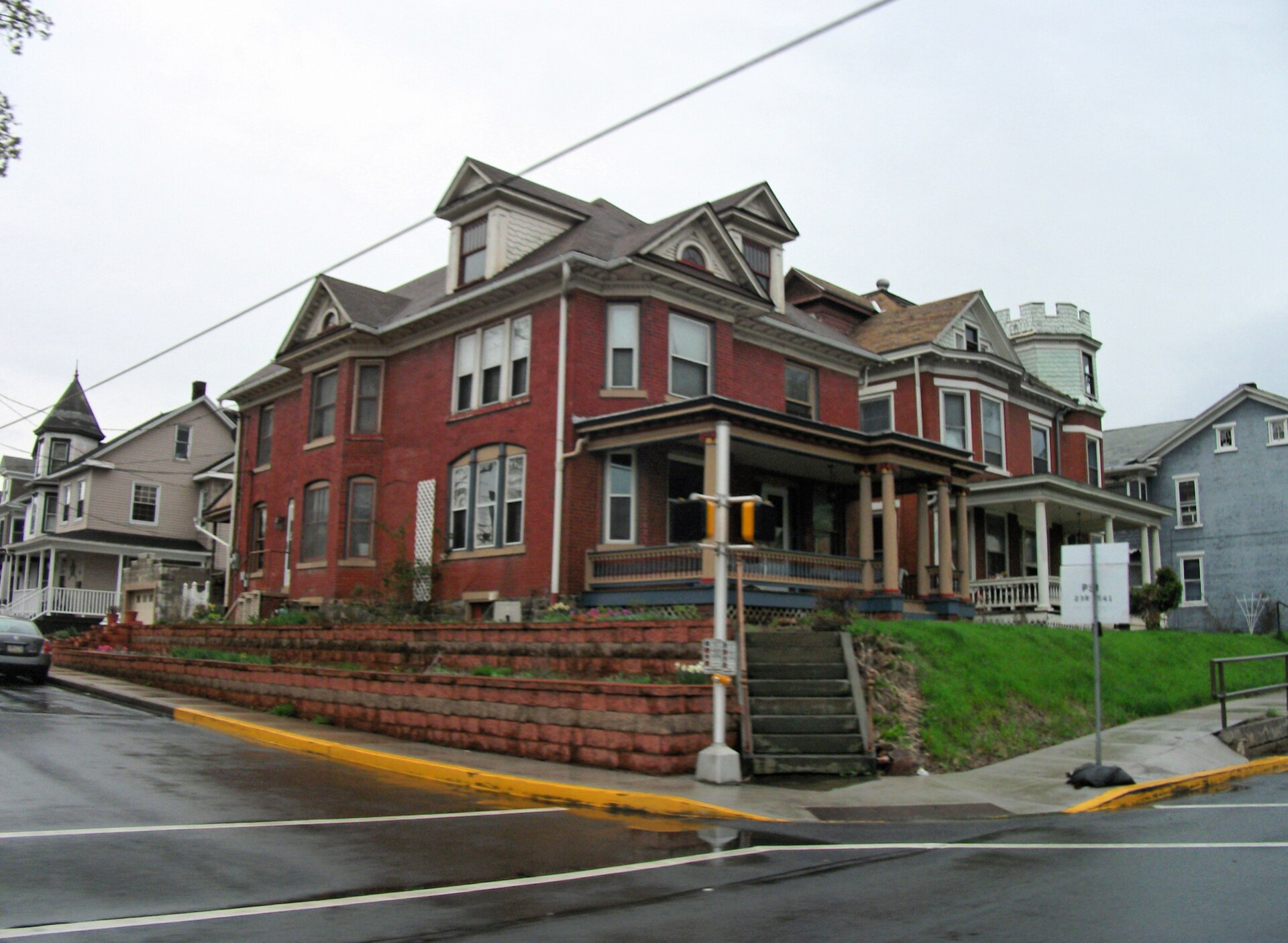
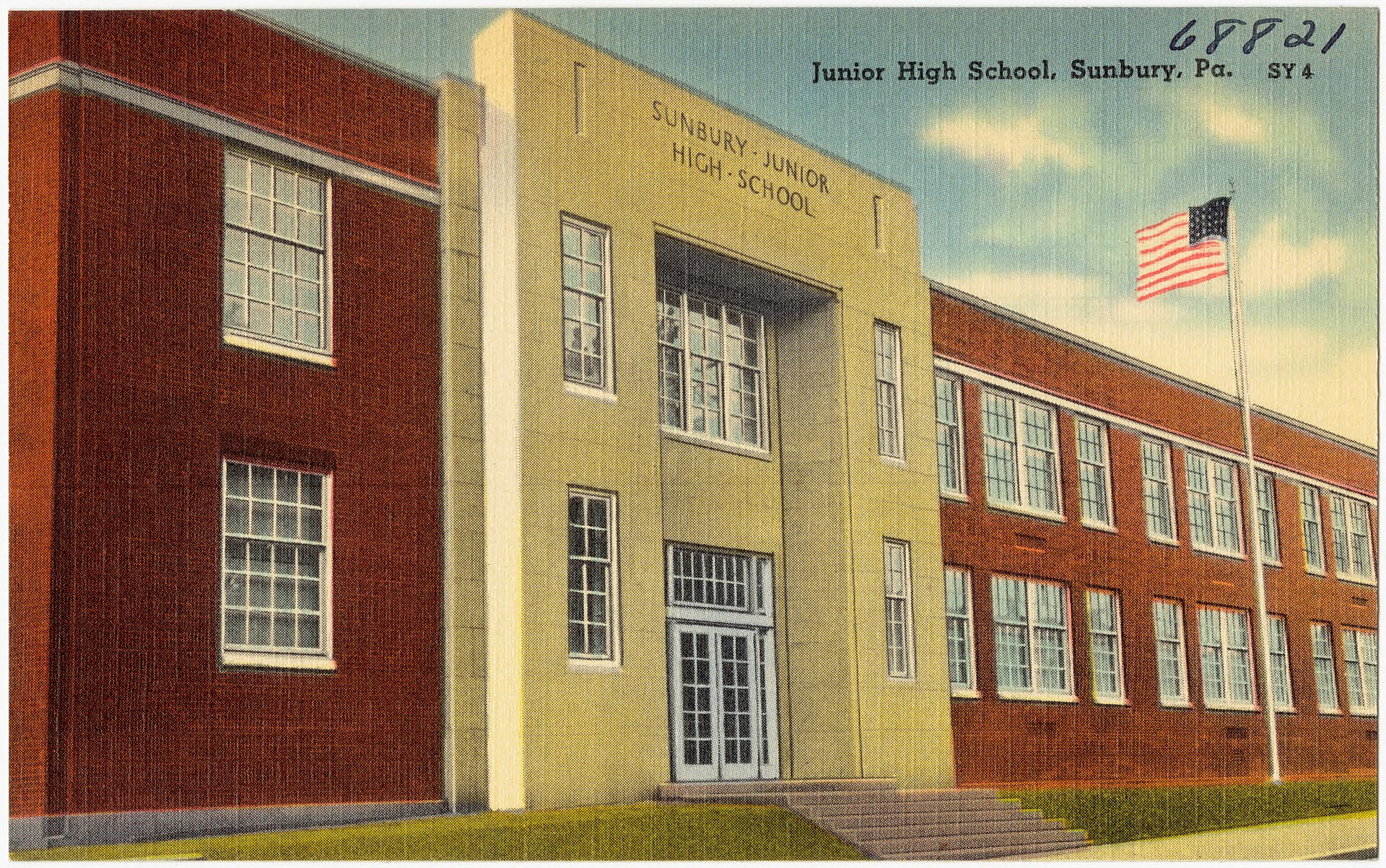
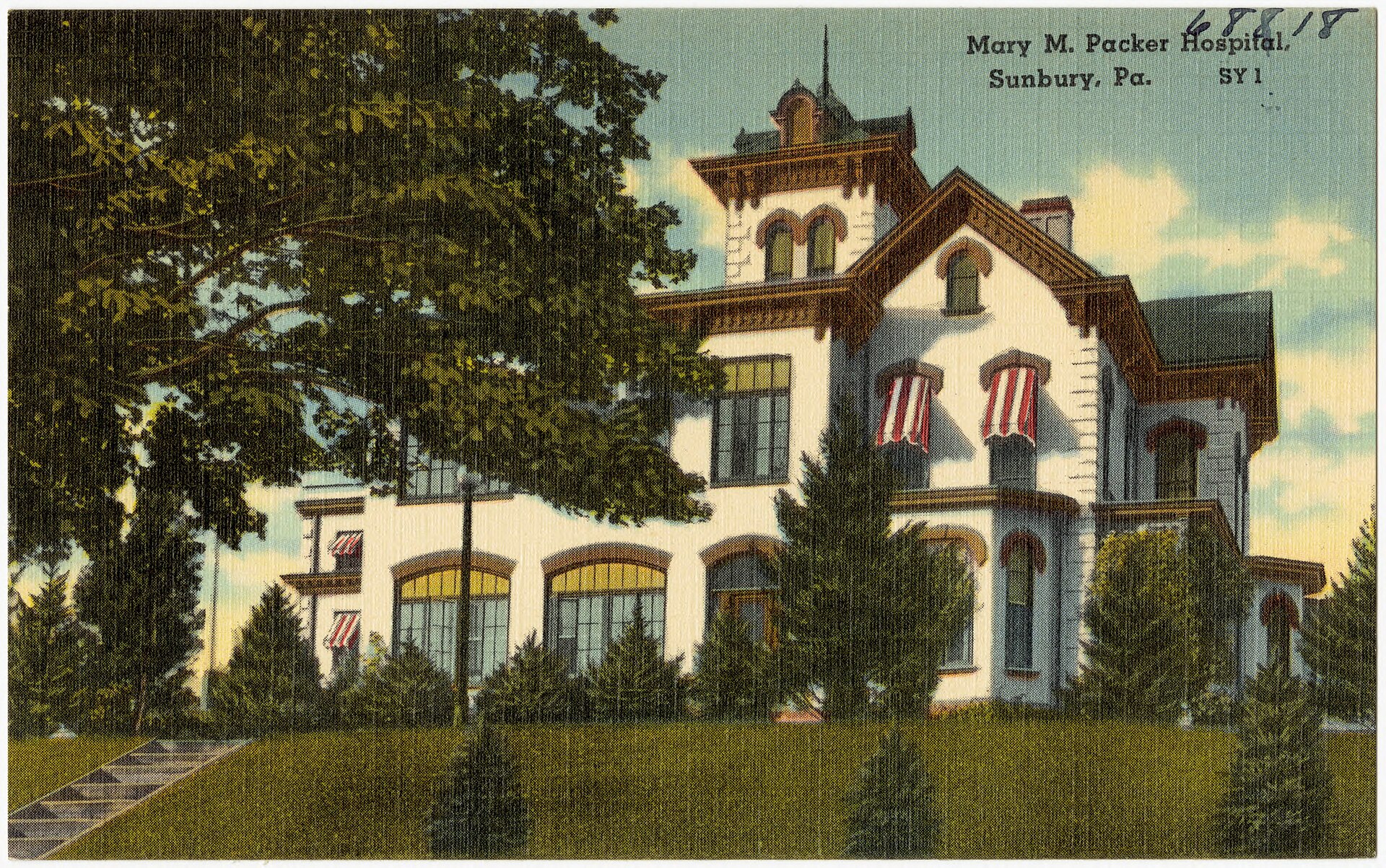
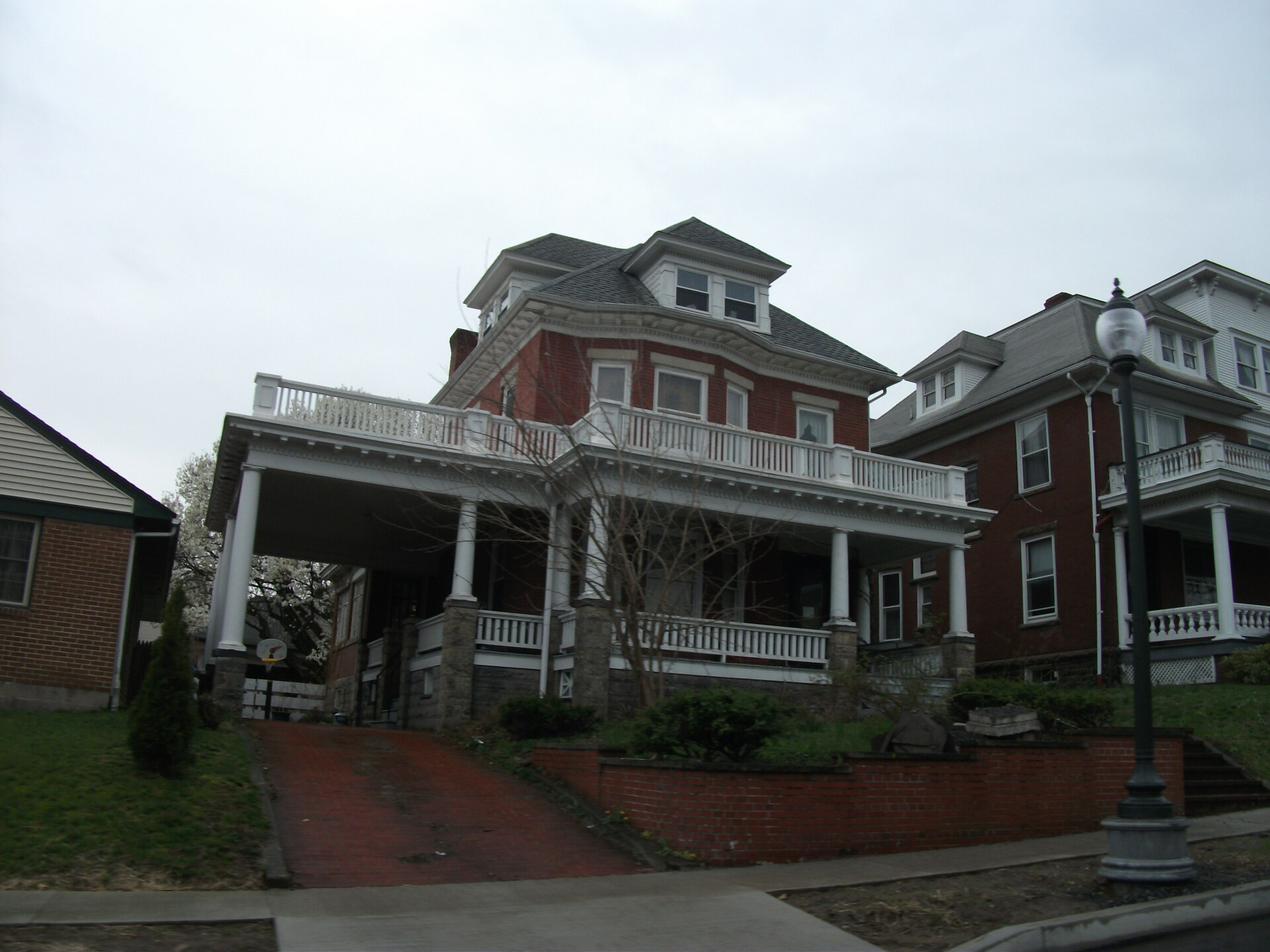
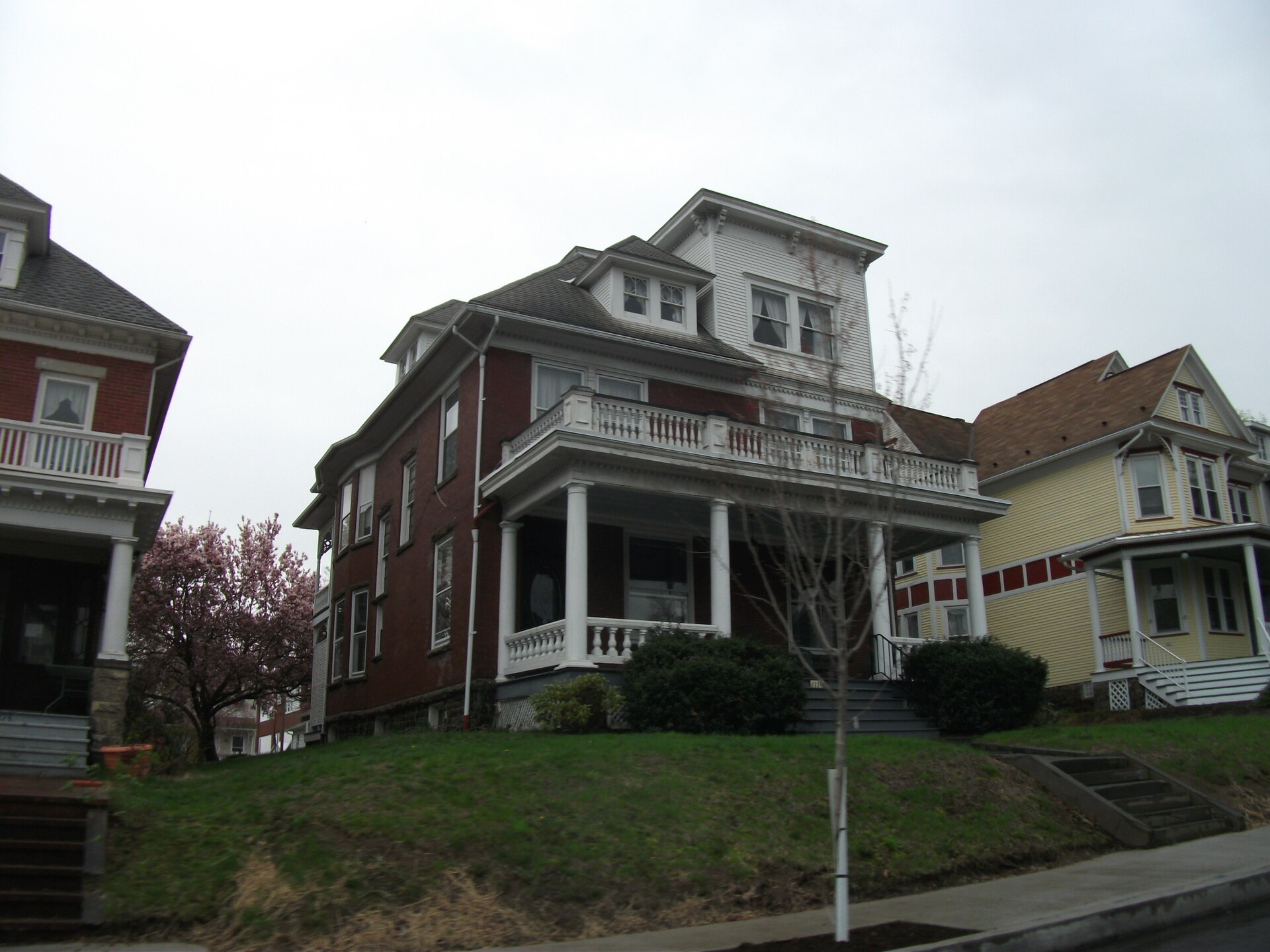
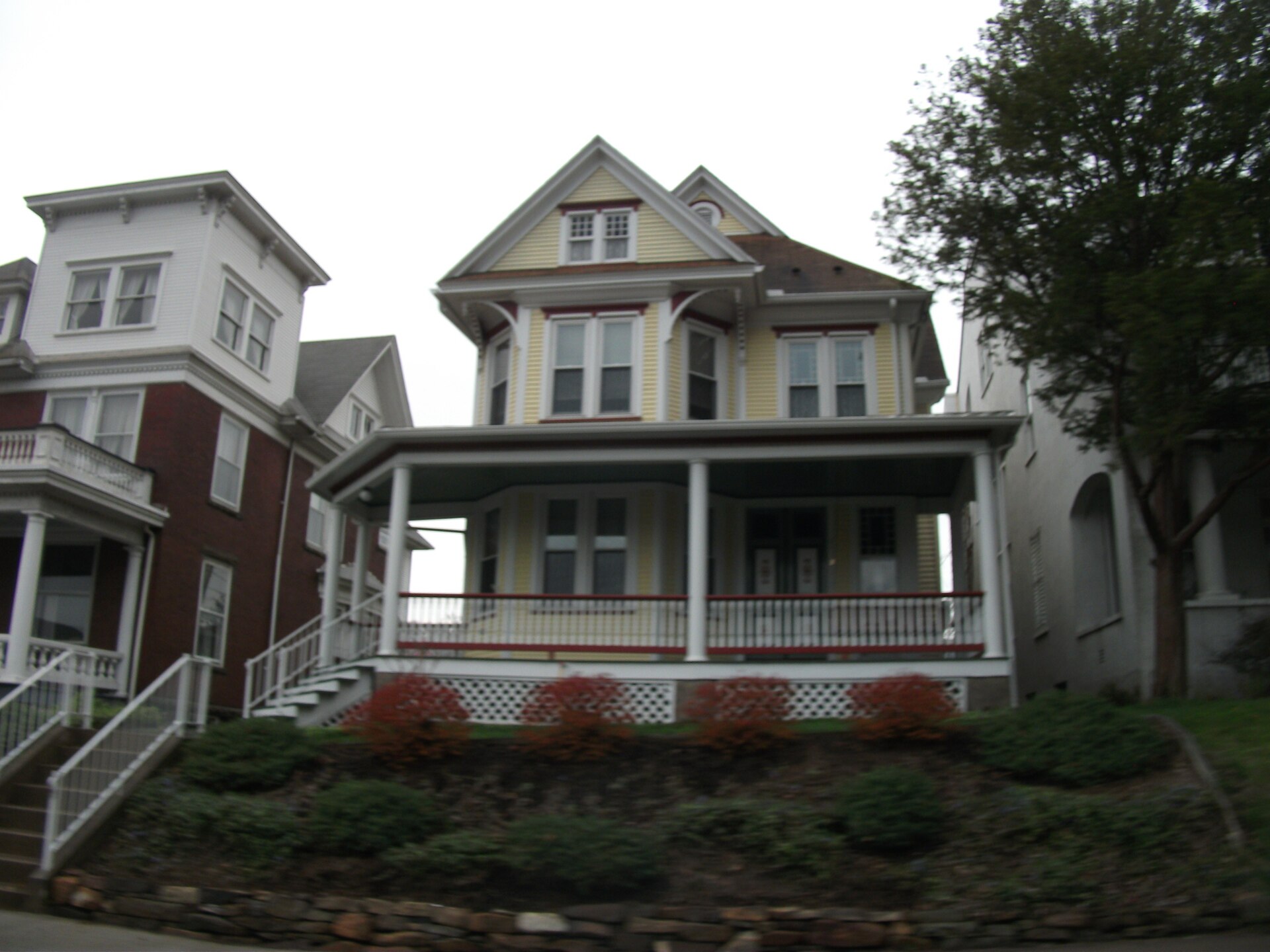
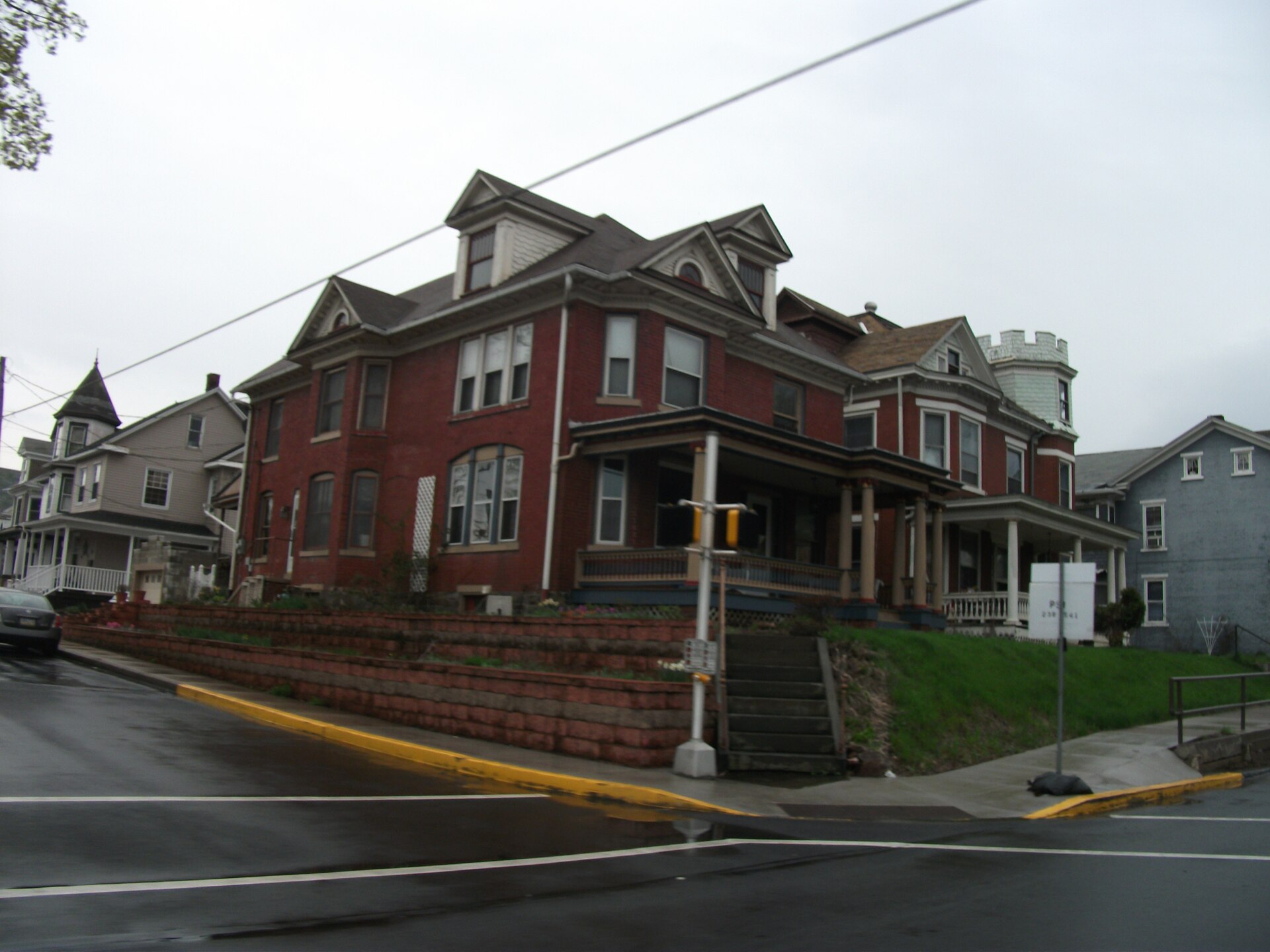
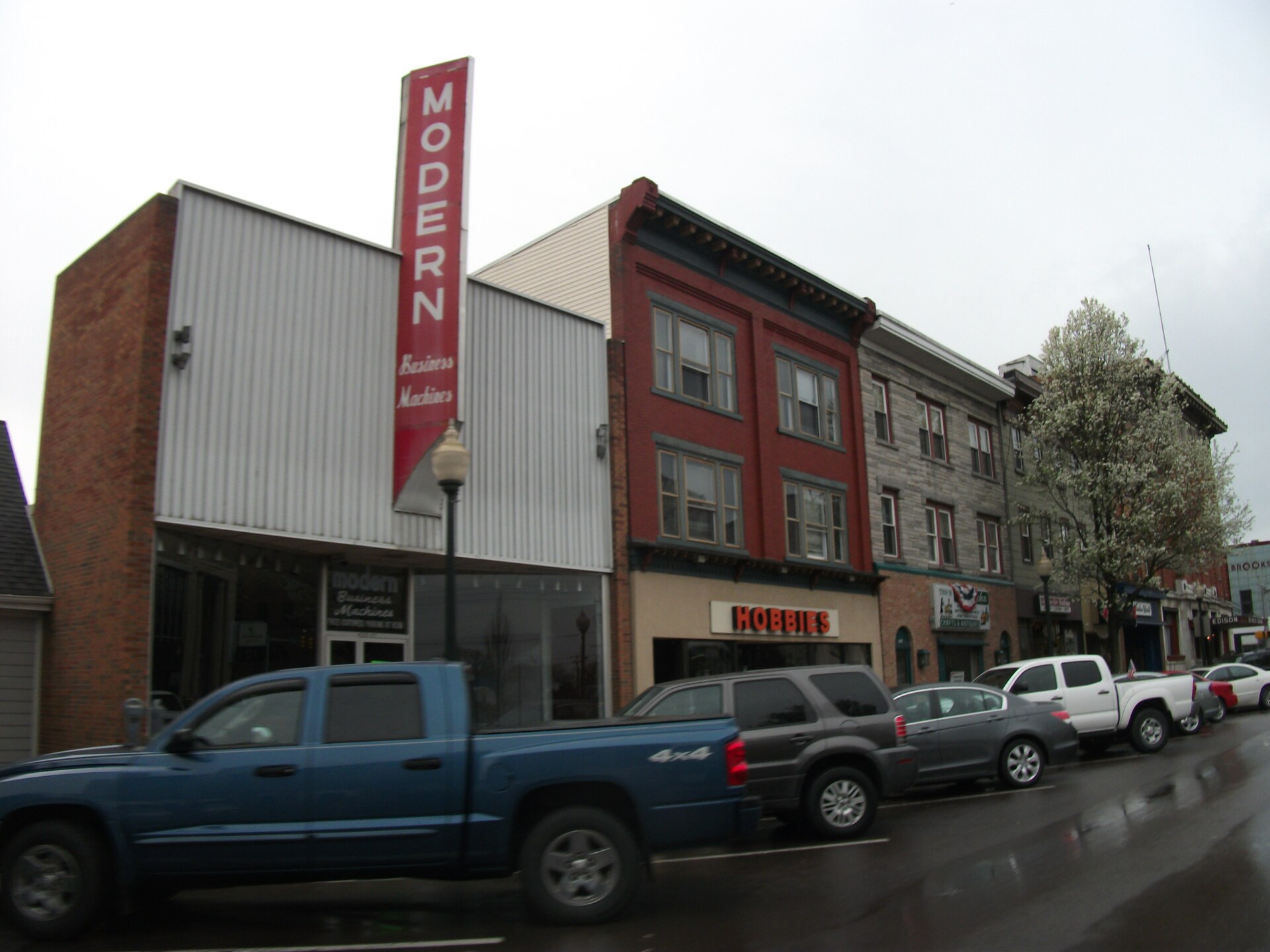
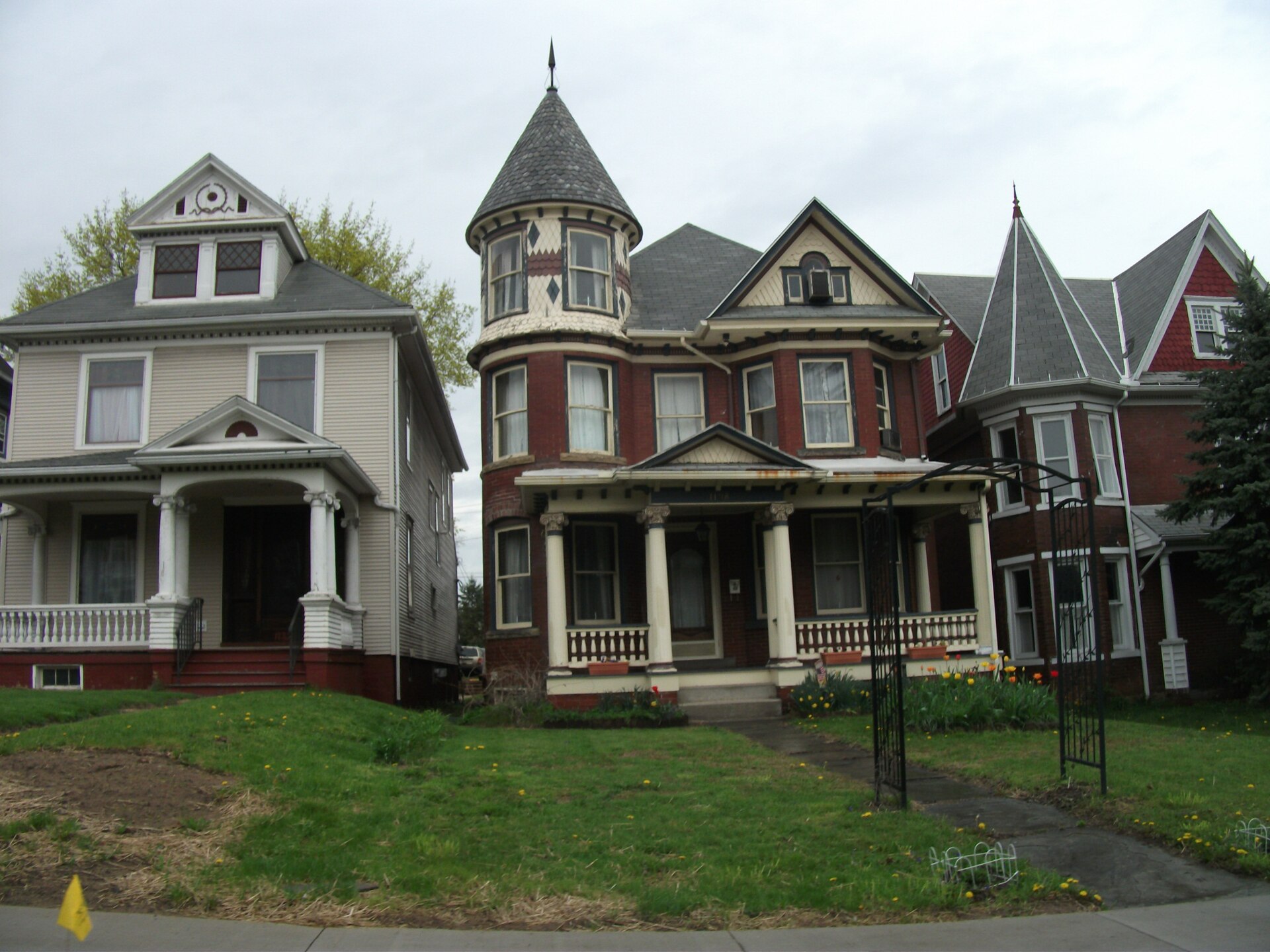
Historic postcards, river paths, street fabric, rail muscle, and the overlook that explains everything. All images via Wikimedia Commons / public-domain collections; captions written for travelers and searchers alike.
Best things to do in Sunbury, PA
1. Walk the river & read the markers
Start on Front Street and the river path. Find the First Electric Light marker, Northumberland County marker, and Fort Augusta interpretation. This is free orientation — and better than any brochure.
2. Fort Augusta & Hunter House
Visit through the Northumberland County Historical Society when open. Stand on the site of Shamokin and the largest provincial fort in Pennsylvania — few American small cities can say that.
3. Hotel Edison & downtown historic district
Photograph the Hotel Edison façade, then wander Market and adjoining streets for courthouse views, storefronts, and the Beck House (1785, NRHP). Cameron Park holds Civil War memorials worth a quiet stop.
4. Shikellamy State Park (minutes away)
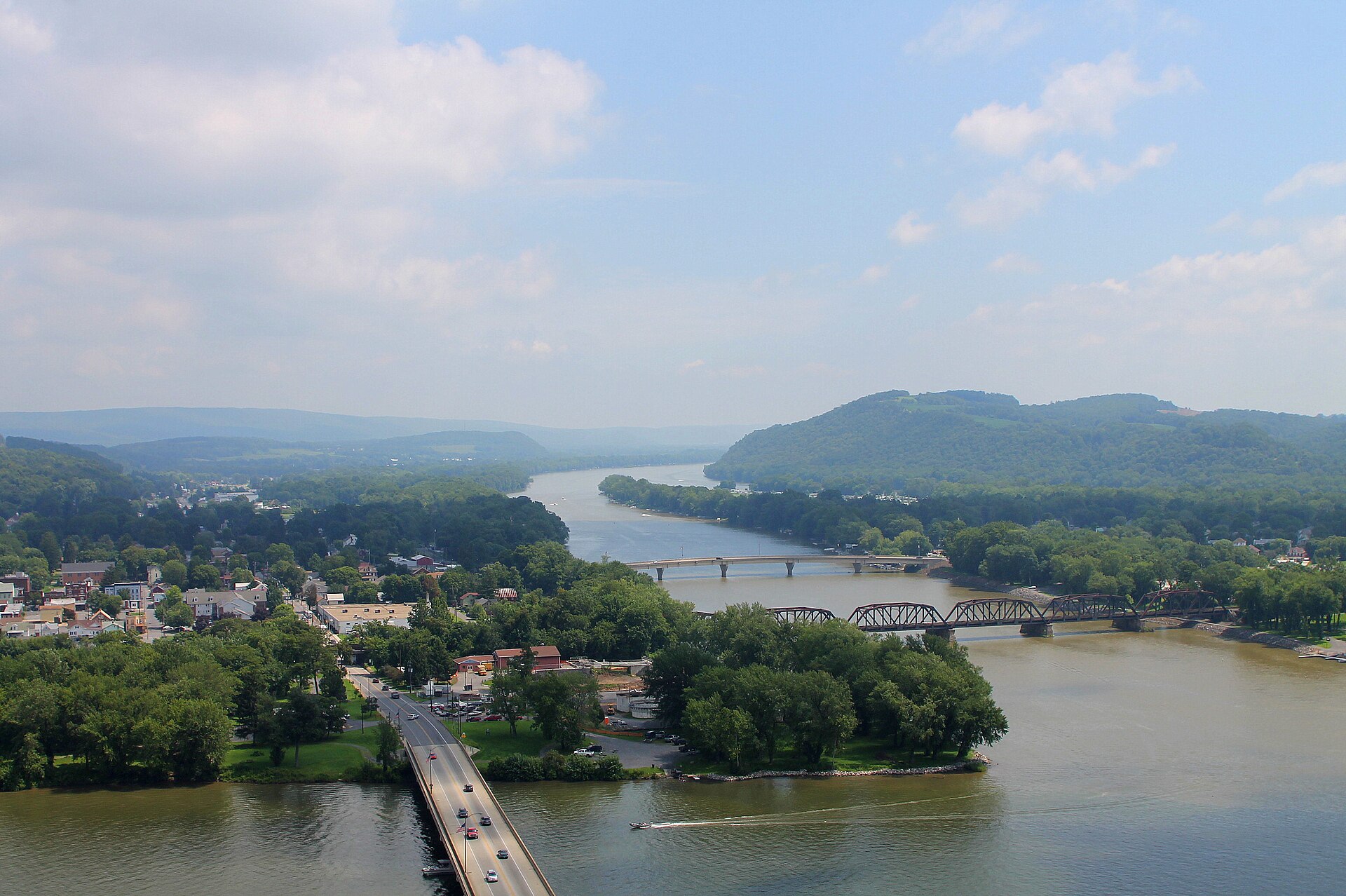
Drive (or aim a bike) to the overlook for the definitive confluence panorama, then the marina unit on Packer Island for boats, paddles, and fishing access. Named for Shikellamy — the diplomatic figure who once governed this Native crossroads.
5. Antiques, local shops, evening porch energy
Sunbury Station and other downtown vendors reward slow browsing. This is not a theme park — it is a living county seat. That is the point.
6. Day-trip magnets
Knoebels Amusement Resort (free admission model, Elysburg area), Selinsgrove’s college-town pulse, and the wider Susquehanna River Valley wine/food trail all sit within an easy drive.
Ready-made Sunbury itineraries
Half day — “Light & river”
- Coffee downtown, then Hotel Edison + electric-light marker.
- River walk and Fort Augusta site.
- Golden-hour drive to Shikellamy Overlook.
Full day — “Confluence weekend starter”
- Morning: Sunbury historic core + Historical Society if open.
- Lunch downtown or near the river.
- Afternoon: cross to Northumberland for Joseph Priestley House.
- Evening: marina sunset or overlook reprise.
History deep dive (serious travelers)
- Shamokin / Fort Augusta reading stop + Bloody Spring lore.
- Courthouse and NRHP buildings photo walk.
- Rail and industrial remnant hunt (roundhouse stories live more loudly across the river).
- Archive evening with PHMC marker texts and local museum shelves.
Pair it with Northumberland
Sunbury and Northumberland are twin faces of the same confluence. One held the fort and the county seat; the other welcomed Joseph Priestley — discoverer of oxygen — into American exile. Read the companion guide: Visit Northumberland, PA.
FAQ — Visit Sunbury PA
Is Sunbury worth visiting?
Yes — if you like river towns with outsized history. It is not a mega-resort; it is a layered American place you can cover thoughtfully in a day and remember for years.
What is the #1 photo spot?
Shikellamy State Park Overlook for the wide shot; Hotel Edison and the river path for street-level story photos.
When is the best time to visit Sunbury, PA?
Late spring through fall for overlook clarity and river walks; winter is quieter and good for museum focus. July 4 carries extra Edison lore.
Where do I start if I only have two hours?
Hotel Edison marker → riverfront → Fort Augusta site → drive the overlook.
Sources & further reading
- Wikipedia: Sunbury, Pennsylvania (including the 1883 Edison lighting demonstration); Shamokin (village); Fort Augusta.
- Northumberland County Historical Society — Fort Augusta & Hunter House.
- Pennsylvania Historical & Museum Commission markers (First Electric Light; county formation).
- ExplorePAHistory / PPL historical notes on the 1883 three-wire demonstration.
- Visit Central PA; Bucknell “Cultures of the Confluence.”
- Image credits: Wikimedia Commons contributors (Ruhrfisch and others), Library of Congress / public domain lithographs, NARA where noted.